
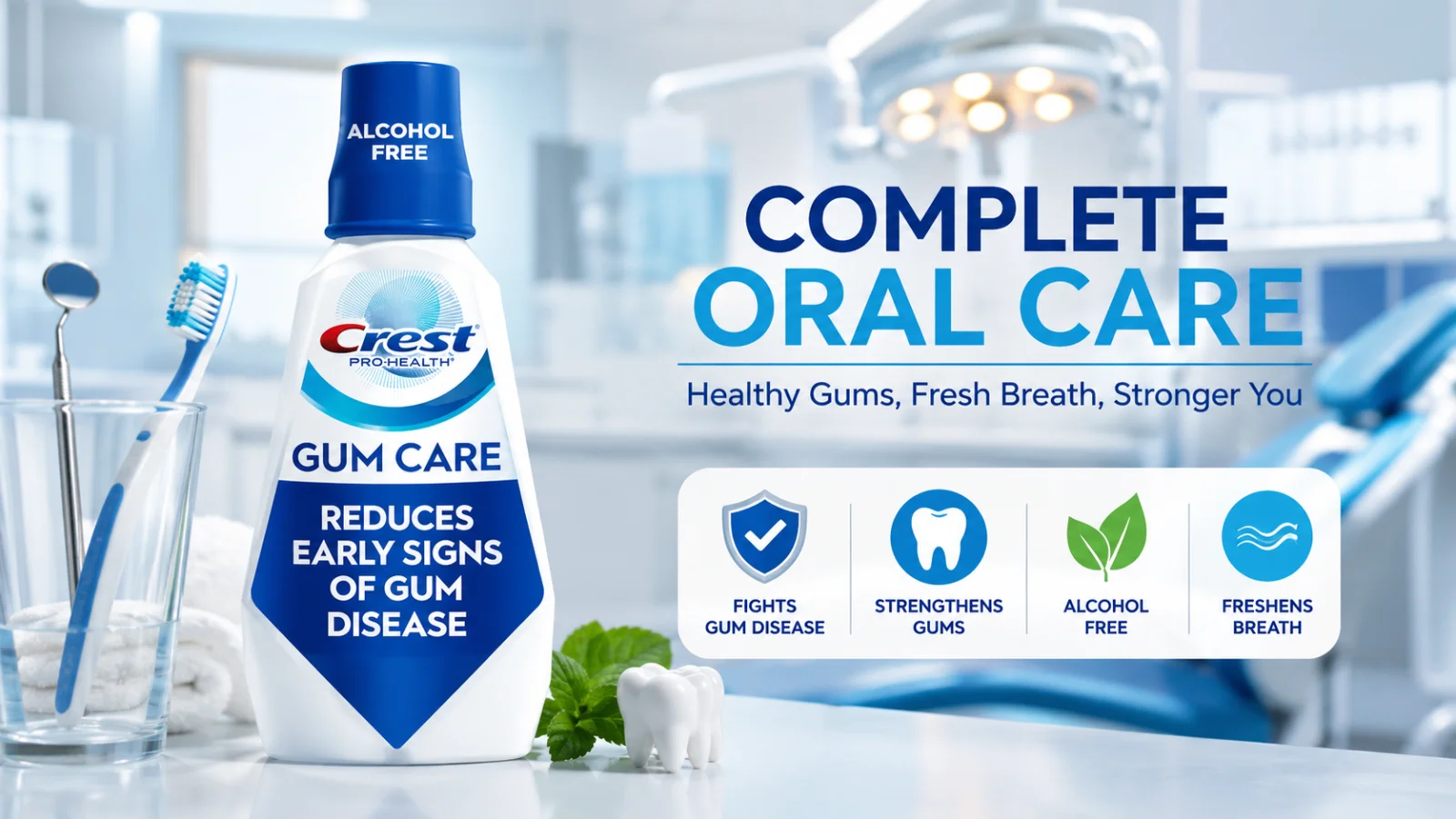

Good oral care is important for everyone. Clean teeth and healthy gums help you feel fresh and confident every day. Many people brush their teeth daily, but they still forget one important step: mouthwash.
I noticed that many people buy mouthwash but do not really know how to use it correctly. Some use too much. Some rinse too quickly. Others use it at the wrong time.
That is why learning how to use mouthwash properly matters. When used the right way, mouthwash can become a helpful part of your oral care routine.
What Is Mouthwash?
Mouthwash is a liquid product used to clean the mouth. It helps reduce bacteria, freshen breath, and support gum health.
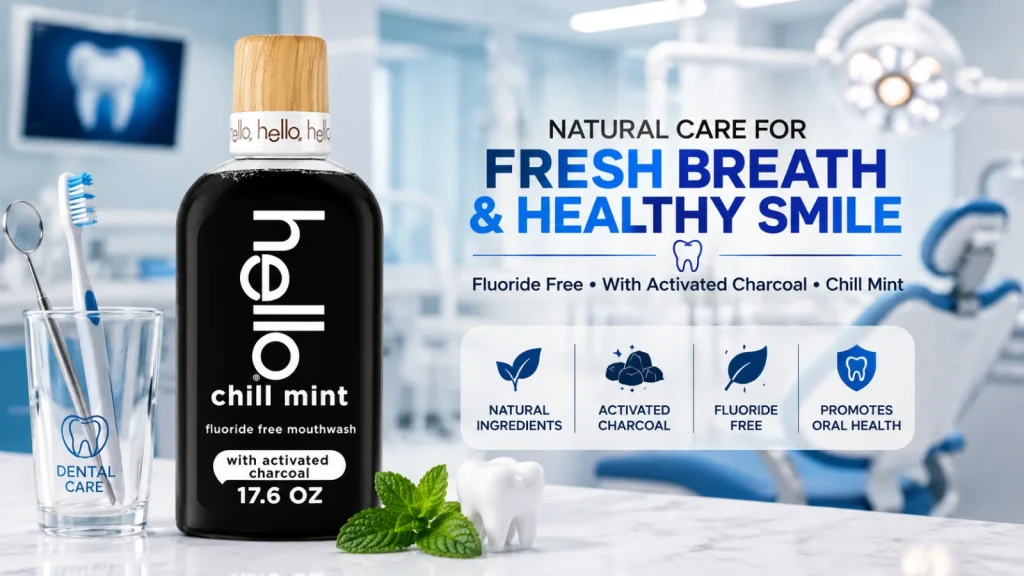
Many mouthwashes contain:
- Antibacterial ingredients
- Fluoride
- Fresh mint flavor
- Ingredients that help reduce plaque
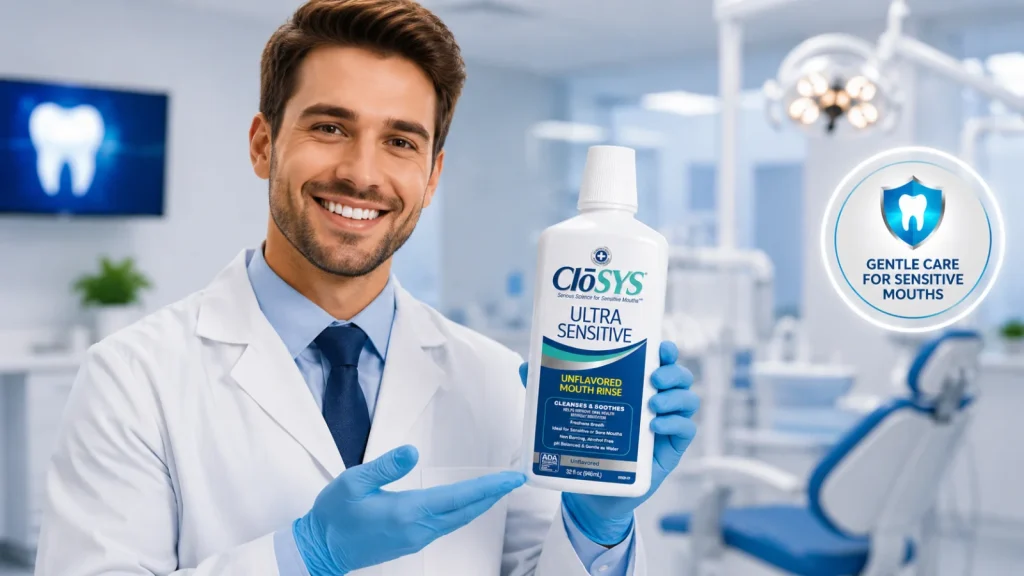
Some mouthwash products are strong, while others are gentle for sensitive mouths.
Mouthwash does not replace brushing or flossing. It works best as part of a full oral care routine.
Why Oral Care Matters
Good oral care helps prevent many common problems.
Healthy oral care habits may help:
- Keep teeth strong
- Reduce bad breath
- Lower plaque buildup
- Protect gums
- Reduce cavities
- Improve confidence
Poor oral care can lead to:
- Tooth pain
- Gum bleeding
- Bad breath
- Mouth infections
Simple daily habits often make the biggest difference.
Pros and Cons of using a mouth rinse
Pros
- Freshens breath quickly
- Helps reduce bacteria
- Supports gum health
- Easy to use
- Helps clean hard-to-reach areas
- Makes the mouth feel cleaner
Cons
- Some products burn the mouth.
- Strong alcohol formulas may dry the mouth.
- Too much use may cause irritation.
- Some people depend on it instead of brushing.
The best results usually come from using dental rinse correctly and regularly.
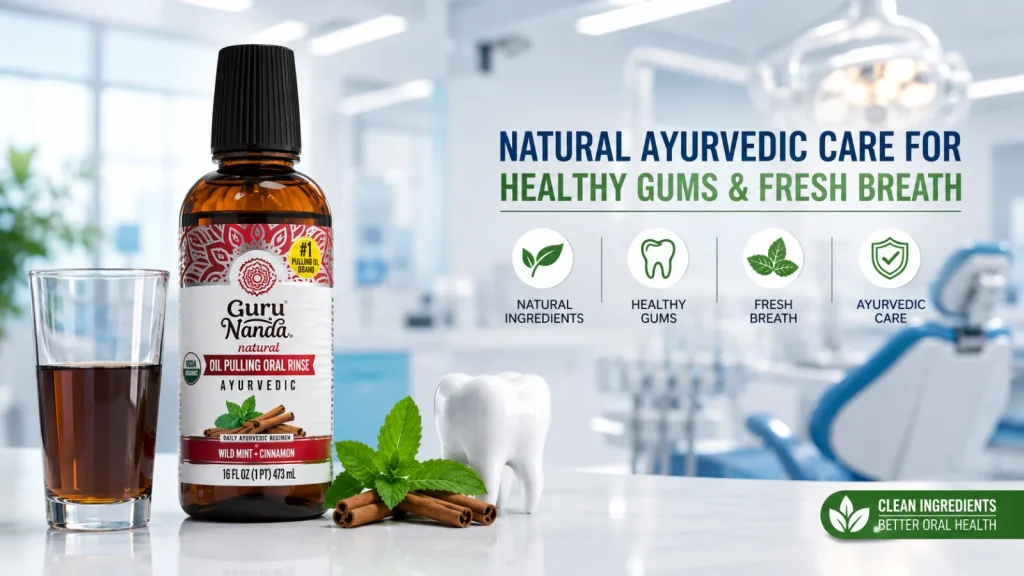
Different different rinse formulas
Not every mouthwash works the same way.
Cosmeticoral care rinse : This type mainly freshens breath. It gives a clean feeling, but does not treat dental problems deeply.
Fluoride oral care rinse: This helps protect teeth from cavities. Many dentists recommend it for extra tooth protection.
Antibacterial oral hygiene rinse: This type helps reduce bacteria and plaque. It may support gum health.
Alcohol-Free mouth rinse: This is a gentler option for sensitive mouths. Many people prefer it because it causes less burning. I personally think alcohol-free mouthwash feels more comfortable for daily use.
proper oral rinse use
Doing a daily rinse correctly is very important. Many people rush this step.
Step 1: Brush Your Teeth First. Always brush your teeth before using mouthwash. Brushing removes food and plaque first. You can also floss before rinsing.
Step 2: Measure the Right Amount. Check the bottle instructions. Most mouthwash products recommend a small capful. Using more does not make it work better.
Step 3: Swish Properly. Take the mouthwash into your mouth and swish it around slowly.
Move it between:
- Teeth
- Gums
- Tongue areas
Do this for about 30 seconds.
Step 4: Spit It Out. Do not swallow mouthwash. After rinsing, spit it out completely into the sink.
Step 5: Avoid Food and Water. Try not to eat or drink for around 30 minutes after using mouthwash. This gives the ingredients more time to work.
Best Time to Use mouthwash
Many people ask when mouthwash works best.
Common times:
- After brushing in the morning
- Before going to sleep at night
- After meals, if needed
Nighttime use is especially helpful because bacteria can grow more while sleeping.
Common Mouthwash Mistakes
Small mistakes can reduce the benefits of mouthwash.
Mistakes to avoid:
- Swallowing mouthwash
- Using too much
- Rinsing too fast
- Eating immediately after use
- Using mouthwash instead of brushing
- Choosing products too strong for sensitive mouths
Simple routines usually work better than overdoing things.
Why Some Mouthwash Burns
A burning feeling is very common with strong mouthwash products.
Possible reasons:
- Alcohol ingredients
- Sensitive gums
- Mouth irritation
- Small mouth cuts
- Dry mouth
Some people enjoy the strong feeling because it feels “extra clean.” But strong burning is not always necessary.
Alcohol-free products are often gentler.
Signs You Should Change Your Mouthwash
Not every product works for everyone.
You may need a different mouthwash if:
- Your mouth feels very dry.
- Your tongue often burns
- You notice irritation
- Your gums feel sensitive.
- The flavor feels too strong.
Finding the right oral care product sometimes takes a little testing.
Alcohol-Free vs Alcohol Mouthwash
Both types have pros and cons.
Alcohol oral rinse
Pros
- Strong clean feeling
- Helps kill bacteria
- Popular for fresh breath
Cons
- May burn
- Can dry the mouth
- Not ideal for sensitive mouths
Alcohol-Free oral rinse
Pros
- Gentler feeling
- Better for dry mouth
- Comfortable for daily use
- Good for sensitive gums
Cons
- Less strong mint feeling
- Some people feel it is “too mild.”
Many people now prefer alcohol-free oral care products for daily use.
mouth rinse for Bad Breath
Bad breath is one of the biggest reasons people use oral rinse
mouth rinse may help reduce odor caused by:
- Bacteria
- Food particles
- Dry mouth
- Smoking
But dental rinse alone cannot solve every bad breath problem.
Good oral care should also include:
- Tongue cleaning
- Brushing
- Flossing
- Drinking enough water
Natural liquid mouth cleaner Options
Some people prefer homemade or natural options.
Simple Salt Water Rinse
Mix:
- 1 cup warm water
- Half a teaspoon of salt
This may help soothe the mouth gently.
Clove Mouthwash: Clove is popular in natural oral care.
Easy method:
- Boil water
- Add cloves
- Cool the mixture
- Strain and use
Clove may help freshen the mouth naturally.
Oral Care Habits That Help More Than dental rinse
Mouthwash helps, but daily habits matter even more.
Helpful oral care habits:
- Brush twice daily
- Floss regularly
- Drink enough water
- Limit sugary snacks
- Replace toothbrush every 3 months.
- Clean your tongue
I noticed that tongue cleaning alone can improve breath a lot.
Recommended Mouthwash Features
When buyingliquid mouth cleaner, look for products that fit your needs.
Good features:
- Alcohol-free formula
- Fluoride protection
- Gentle ingredients
- Fresh but not overpowering flavor
- Dentist-approved labels
Expensive products are not always necessary.
Who Should Be Careful With Mouthwash?
Some people should use fluoride rinse more carefully.
Be careful if you have:
- Very sensitive gums
- Mouth ulcers
- Dry mouth
- Burning mouth syndrome
- Allergies to ingredients
If irritation continues, speak with a dentist.
Best Simple Oral Care Routine
Keeping oral care simple makes it easier to stay consistent.
Morning Routine
- Brush teeth
- Clean tongue
- using an oral rinse
Night Routine
- Brush again
- Floss
- Use mouthwash before bed.
Small daily routines protect teeth over time.
Frequently Asked Questions
Q1: Can mouthwash replace brushing?
No. Mouthwash helps clean the mouth, but it cannot remove plaque like brushing and flossing.
Q2: How many times should I use fluoride rinse daily?
Most people use it once or twice daily. Too much use may irritate sensitive mouths.
Q3: Why does my mouth burn after oral rinse?
Strong ingredients like alcohol may cause burning. Sensitive gums can also react this way.
Q4: Should I rinse with water after liquid mouth cleaner?
Usually no. Spitting it out is enough. Water may reduce the effect of the ingredients.
Q5: Is alcohol-free oral hygiene rinse better?
It depends on your mouth’s sensitivity. Many people find alcohol-free products gentler and more comfortable.
Learning how to use mouth cleaning liquid correctly can improve your oral care routine in a simple way.
Mouthwash helps freshen breath, reduce bacteria, and support healthier gums when used properly. But it works best together with brushing, flossing, and good daily habits.
The key is consistency. Choose a mouthwash that feels comfortable for your mouth and use it regularly without overdoing it.
Small oral care habits every day can make a big difference over time.
