
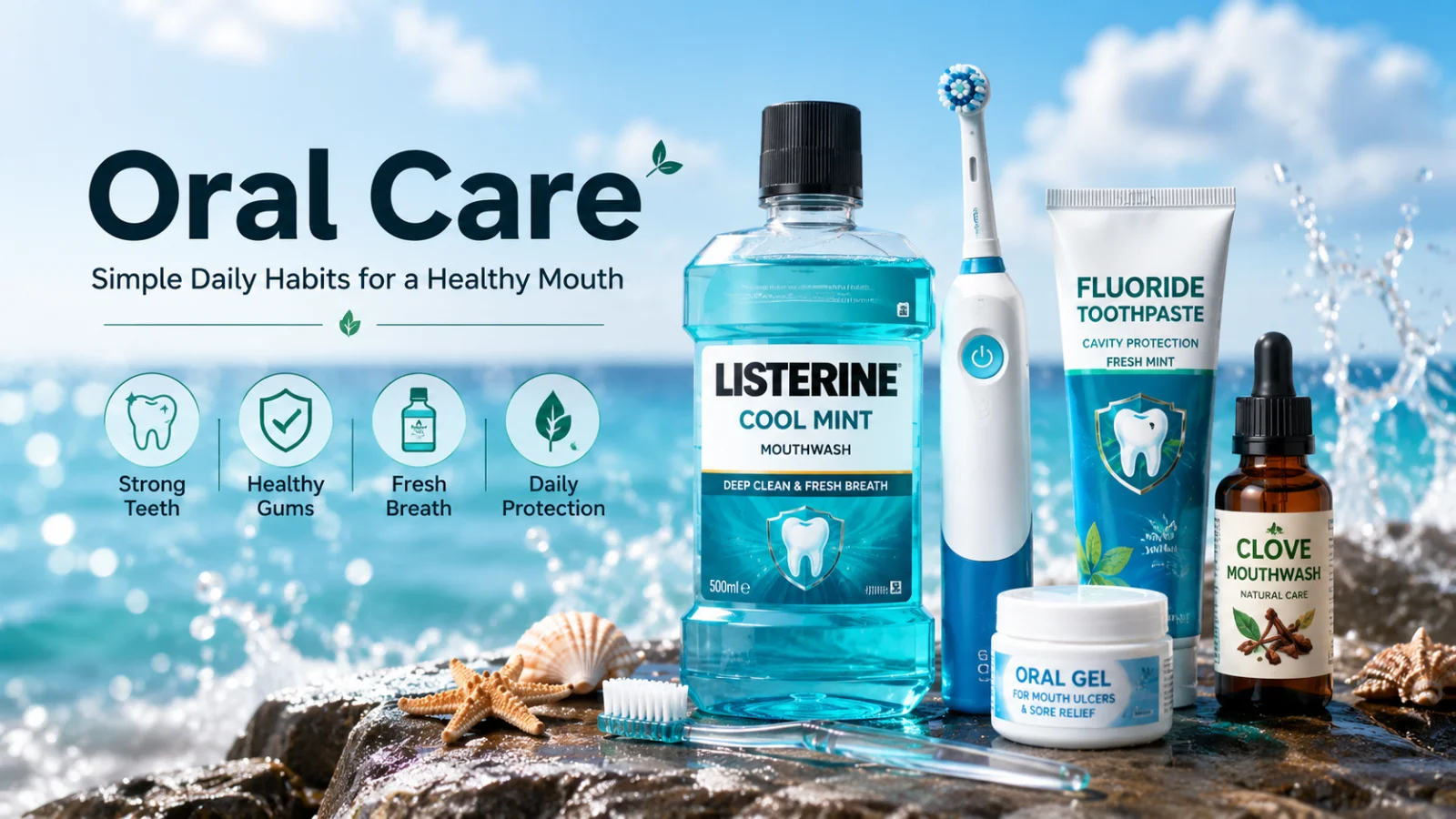

Good oral care is more than just brushing your teeth. It helps keep your mouth clean, your breath fresh, and your teeth healthy for a long time. Small daily habits can prevent many common problems later.
I noticed that many people only focus on brushing. But healthy teeth also depend on mouthwash, clean toothbrushes, proper toothpaste use, and caring for mouth pain or ulcers.
Oral care becomes easier when you keep the routine simple and consistent. You do not need expensive products to start seeing improvement.
What Is Oral Care?
Oral care means taking care of your:
- Teeth
- Gums
- Tongue
- Mouth
Good oral care helps prevent:
- Cavities
- Bad breath
- Gum disease
- Mouth infections
- Tooth pain
Daily habits make the biggest difference. Even simple changes can help improve your oral health over time.
Why Daily Oral Care Matters
Poor oral care can cause more than tooth problems. Gum infections and bacteria may also affect your overall health.
Good oral care may help:
- Keep teeth strong
- Reduce bad breath
- Lower plaque buildup
- Protect gums
- Improve confidence while talking or smiling.
I personally noticed that regular oral care also makes the mouth feel fresher throughout the day.
Pros and Cons of Oral Care Products
Pros
- Helps keep teeth clean
- Reduces mouth bacteria
- Freshens breath
- Protects gums
- Helps prevent tooth problems
- Makes daily hygiene easier
Cons
- Some products may irritate sensitive mouths.
- Strong mouthwash can burn.
- Overbrushing may damage gums.
- Cheap products may not work well.
- Some whitening products can increase sensitivity.
The best approach is to use products gently and correctly.
How to use mouthwash
Mouthwash is easy to use, but many people use too much or rinse the wrong way.
Simple steps:
- Brush your teeth first.
- Pour the amount shown on the bottle.
- Swish for 30 seconds
- Spit it out
- Do not swallow it
Try not to eat or drink for about 30 minutes after use.
How to use Listerine mouthwash
Listerine is one of the most popular mouthwash brands. It gives a strong, clean feeling.
Best way to use it:
- Use after brushing
- Swish for 30 seconds
- Use twice daily
- Do not mix with water.
Some people feel a strong burning feeling at first. That usually becomes less noticeable over time.
How to make clove mouthwash
Clove is popular in natural oral care because it may help reduce mouth odor and discomfort.
Easy homemade clove mouthwash:
- Boil 1 cup of water
- Add 4–5 cloves
- Let it cool
- Strain the water
- Use as a mouthwash
Keep it in the fridge and use it within a few days.
Why does mouthwash burn
Many mouthwashes contain alcohol or strong ingredients. These can create a burning feeling.
This burning usually happens because:
- Your mouth is sensitive.
- The formula is strong.
- You have small cuts or irritation.
Alcohol-free mouthwash may feel gentler for many people.
Why does mouthwash burn my tongue?
A burning tongue after mouthwash can happen for several reasons.
Common causes:
- Sensitive tongue
- Strong alcohol-based mouthwash
- Mouth ulcers
- Dry mouth
If burning continues often, switch to a gentler mouthwash.
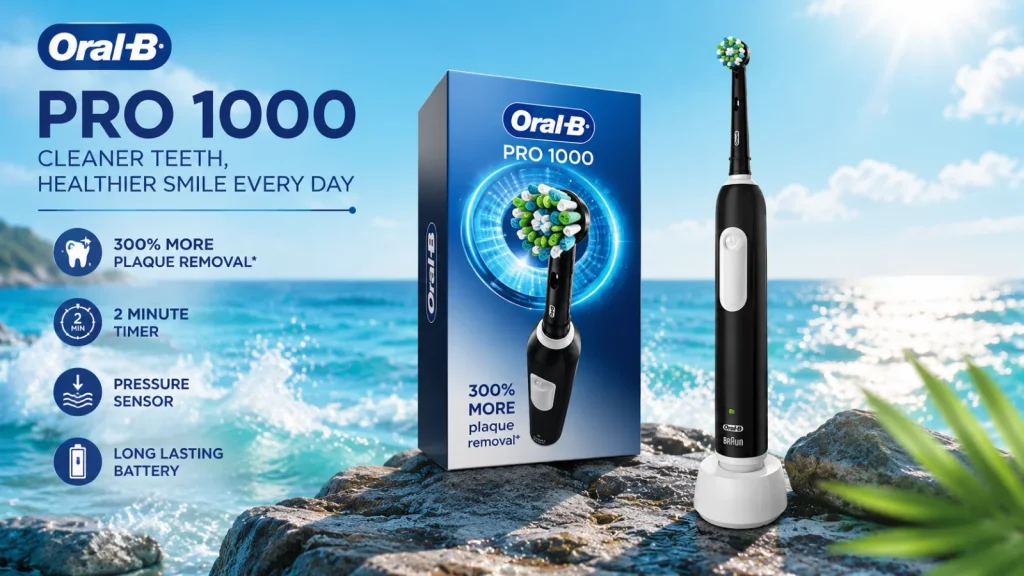
Why are electric toothbrushes better
Electric toothbrushes help many people clean their teeth more easily.
Benefits:
- Better plaque removal
- Easier for beginners
- Helpful for braces
- Gentle brushing pressure
- Built-in timers on many models
Manual toothbrushes can also work well if used properly.
How to sanitize a toothbrush
A dirty toothbrush can collect bacteria over time.
Easy ways to clean it:
- Rinse with hot water.
- Let it air dry upright.
- Avoid closed wet containers.
- Replace every 3 months.
Simple cleaning habits help keep your toothbrush safer to use.
How to clean a toothbrush with boiling water
Boiling water may help clean a toothbrush, but do not leave it too long.
Simple method:
- Boil water
- Dip the toothbrush for 3–5 minutes.
- Remove carefully
- Let it dry fully
Too much heat may damage soft bristles.
How to remove stains with toothpaste
Some toothpaste products help remove surface stains from coffee, tea, or smoking.
Helpful tips:
- Use whitening toothpaste gently.
- Brush twice daily
- Avoid brushing too hard.
- Drink water after dark drinks.
Whitening toothpaste works slowly. Results usually take time.
How to apply oral gel
Oral gel helps reduce pain inside the mouth.
Easy steps:
- Wash your hands
- Use a small amount
- Apply gently to the sore area.
- Avoid eating right away.
Always follow the instructions on the product label.
oral gel for mouth ulcers
Mouth ulcers can feel painful while eating or talking.
Oral gel may help:
- Reduce discomfort
- Protect the sore area.
- Make eating easier
I noticed cold drinks sometimes make mouth ulcers feel even worse.
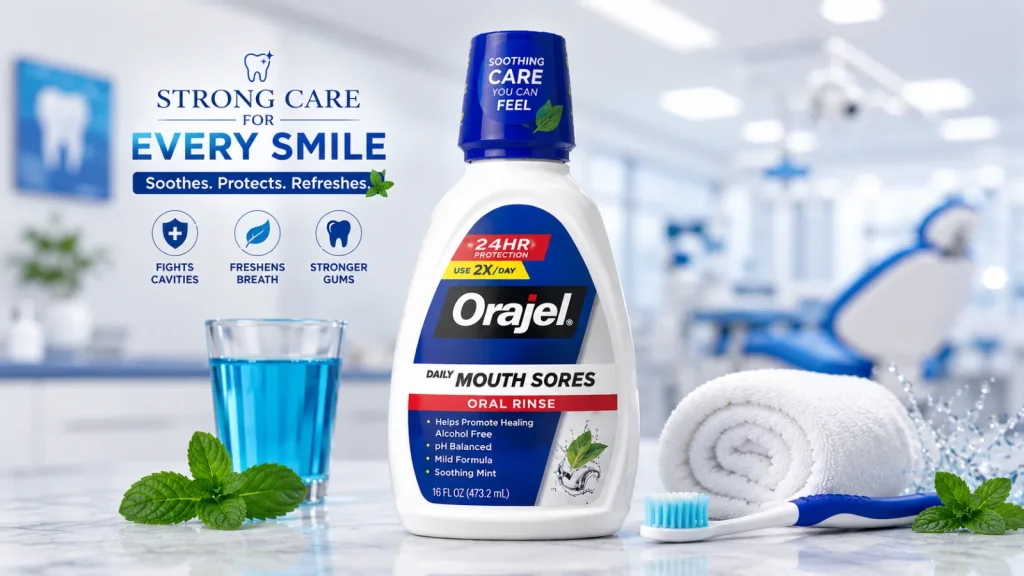
How to use Orajel
Orajel is commonly used for mouth pain and gum discomfort.
Simple use:
- Dry the sore area first.
- Apply a small amount.
- Use clean hands or a cotton swab.
- Follow label directions
Do not use more than recommended.
How to use Orajel for a toothache
Orajel may help numb tooth pain for a short time.
Helpful tips:
- Apply directly to the painful area.
- Use a very small amount.
- Avoid swallowing it
- Visit a dentist if pain continues.
It helps temporarily but does not fix the root problem.
Common Oral Care Mistakes
Many people accidentally damage their teeth with simple mistakes.
Common mistakes:
- Brushing too hard
- Skipping flossing
- Using old toothbrushes
- Drinking too many sugary drinks
- Not cleaning the tongue.
- Using too much mouthwash
Gentle and regular care usually works best.
Best Daily Oral Care Routine
A simple routine is easier to follow every day.
Morning:
- Brush teeth
- Clean tongue
- Use mouthwash
Night:
- Brush again
- Floss
- Use oral gel if needed.
Drinking enough water also helps keep the mouth cleaner.
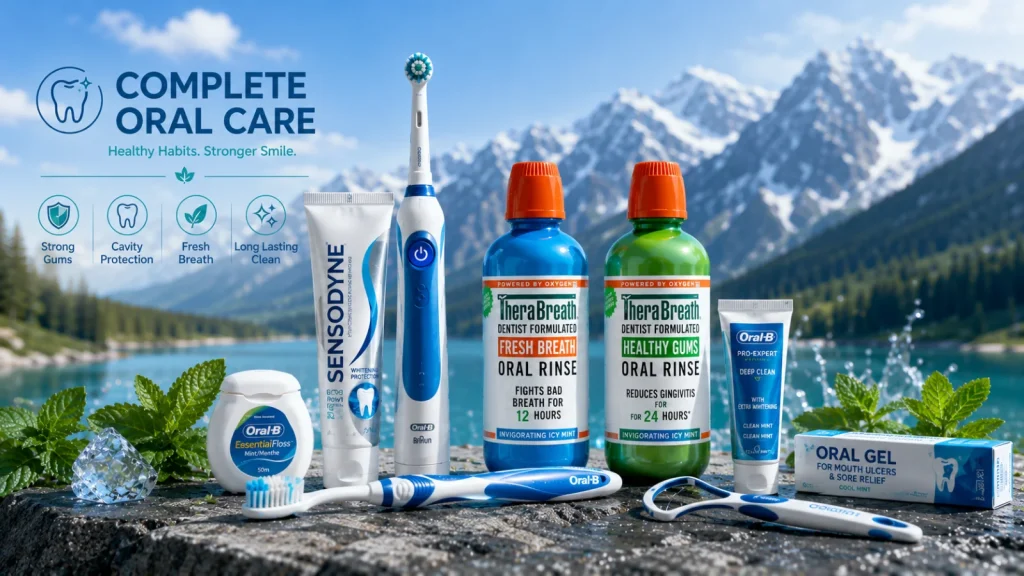
Recommended Oral Care Products
Some products make oral care easier and more comfortable.
Helpful products:
- Alcohol-free mouthwash
- Soft toothbrush
- Electric toothbrush
- Fluoride toothpaste
- Oral gel for ulcers
- Tongue cleaner
Choose products that feel comfortable for your mouth.
Frequently Asked Questions
Q1: How often should I brush my teeth?
Most dentists recommend brushing twice daily. Morning and night are the best times.
Q2: Is mouthwash necessary every day?
Not always, but many people use it daily for fresher breath and extra cleaning.
Q3: Can mouthwash replace brushing?
No. Mouthwash helps, but brushing and flossing are still important.
Q4: How often should I replace my toothbrush?
Replace it every 3 months or sooner if bristles become damaged.
Q5: Is oral gel safe for mouth ulcers?
Many oral gels are safe when used correctly. Always follow the instructions on the product.
Good oral care does not need to feel difficult. Small daily habits can help keep your mouth healthier and fresher.
Oral care becomes easier when you stay regular with brushing, mouthwash, clean toothbrushes, and proper products for mouth pain or ulcers.
The most important thing is consistency. Simple care every day can make a big difference over time.
