
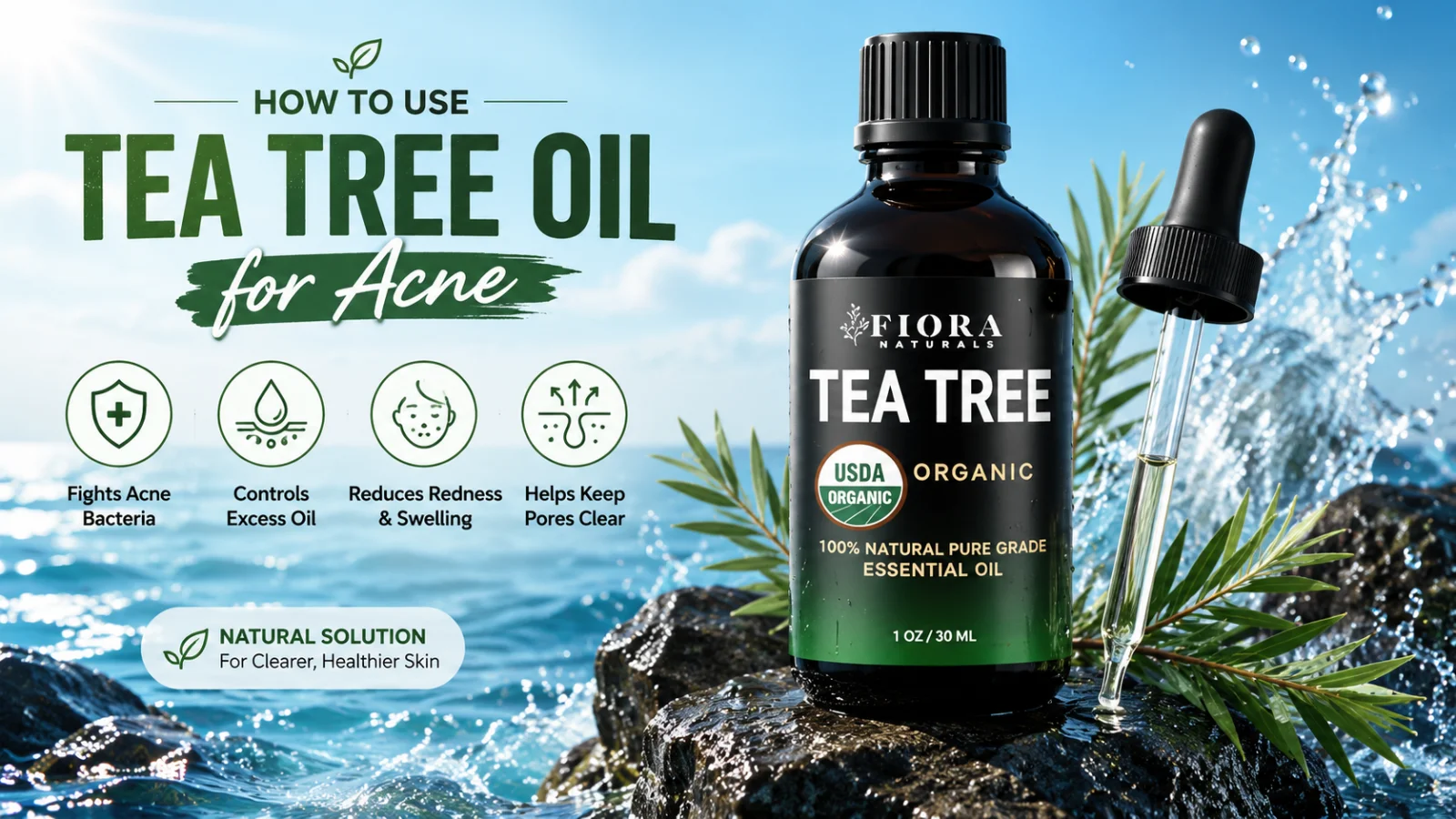

How to Use Tea Tree Oil for Acne: Acne can be frustrating.
You try different skincare products, spend money on treatments, and still wake up with new breakouts. Many people search for natural ingredients that can support clearer skin. Tea tree oil is one of the most popular options for acne-prone skin.
Tea tree oil may help fight acne-causing bacteria, reduce redness, control excess oil, and support healthier-looking skin.
In this guide, you will learn how to use tea tree oil for acne, its benefits, pros and cons, safety tips, and common mistakes to avoid.
What Is Tea Tree Oil?
Tea tree oil is a natural essential oil extracted from the leaves of the Melaleuca alternifolia plant.
This plant is native to Australia. For years, tea tree oil has been used for different skin concerns because of its natural cleansing and soothing properties. The main active compound in tea tree oil is terpinen-4-ol.
This compound may help:
- Fight acne-related bacteria
- Calm skin irritation
- Balance excess oil
- Support a cleaner skin surface
Benefits
Tea tree oil offers several benefits for people dealing with breakouts. When used properly, it can become a helpful addition to a simple skincare routine.
1. Helps Fight Acne-Causing Bacteria
Acne often develops when oil, dead skin cells, and bacteria block pores. Tea tree oil may help reduce bacteria that contribute to breakouts. This can help create a cleaner environment for your skin.
2. Reduces Redness and Swelling
Some pimples become red, swollen, and painful. Tea tree oil may help calm visible irritation. With regular use, it can make active breakouts appear less noticeable.
3. Controls Excess Oil
Too much oil can increase the chance of clogged pores. Tea tree oil helps balance oil levels without completely removing natural moisture. This makes it useful for oily and combination skin types.
4. Helps Keep Pores Clear
Dead skin and oil buildup can trap bacteria inside pores. Tea tree oil may support cleaner-looking pores by reducing excess buildup. Cleaner pores may help lower the chance of future breakouts.
How to Use Tea Tree Oil for Acne
Tea tree oil is powerful, so it should always be diluted before applying it to your skin. Using it directly can cause irritation.
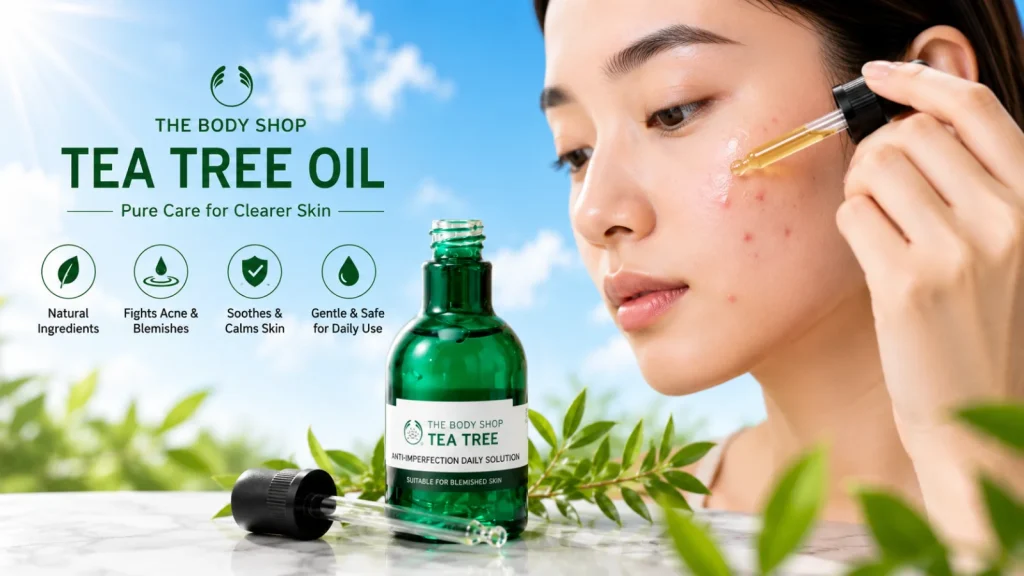
Method 1: Spot Treatment
This method works best for individual pimples.
Steps:
- Mix 2 drops of tea tree oil with 1 teaspoon of jojoba oil.
- Clean your face and dry it completely.
- Apply the mixture to the pimple using a cotton swab.
- Leave it overnight.
- Wash your face in the morning.
Use this method once daily and monitor your skin.
Method 2: Tea Tree Oil Face Wash
This option works better if you have frequent breakouts.
Steps:
- Add a small amount of diluted tea tree oil to your cleanser.
- Massage gently into your skin.
- Rinse with cool water.
Avoid overusing it because too much can cause dryness.
Method 3: Tea Tree Oil Toner
A simple toner can help control excess oil.
Ingredients:
- 5 drops of tea tree oil
- Half a cup of water
- 1 teaspoon witch hazel
Mix well and apply after cleansing.
Start slowly to see how your skin reacts.
Pros
Natural Ingredient
Tea tree oil comes from a plant source and is widely used in natural skincare.
Helps Reduce Breakouts
It may help control acne-causing bacteria and support clearer-looking skin.
Budget-Friendly
A small bottle can last a long time, making it an affordable skincare option.
Less Harsh Than Some Treatments
Compared with some strong acne ingredients, tea tree oil may feel gentler for some people.
Easy to Add Into a Routine
You can use it as a spot treatment, cleanser addition, or toner.
Cons
Can Cause Irritation
Tea tree oil is concentrated. Using too much or applying it directly can cause redness, burning, or dryness.
Not Suitable for Everyone
People with very sensitive skin may experience reactions. Always perform a patch test first.
Results Take Time
Tea tree oil does not remove acne overnight. Consistent use is important.
Cannot Remove Acne Scars
Tea tree oil may help treat pimples, but it does not erase old acne scars.
Tea Tree Oil Safety Tips
Before using tea tree oil, follow these simple tips:
Always Dilute It
Never apply pure tea tree oil directly to your face.
Mix it with a suitable carrier oil like:
- Jojoba oil
- Rosehip oil
- Sweet almond oil
Perform a Patch Test
Apply a small amount to your wrist first. Wait 24 hours.
If there is no reaction, you can try it on your face.
Avoid Eye Area
Keep tea tree oil away from your eyes. It can cause serious irritation.
Common Mistakes to Avoid
Using Too Much
More oil does not mean faster results. A small amount is enough.
Applying It Undiluted
This is the most common mistake. Always mix it before use.
Using Too Many Acne Products
Combining tea tree oil with harsh treatments can increase dryness and irritation. Keep your routine simple.
Frequently Asked Questions
Q1:How long does tea tree oil take to work on acne?
Many people notice improvement within a few weeks. Results depend on skin type and acne severity.
Q2:Can I leave tea tree oil overnight?
Yes, diluted tea tree oil can be left overnight. Always moisturize afterward.
Q3:Is tea tree oil safe for sensitive skin?
It can be, but start with a lower concentration. Always patch test before applying it to your face.
Q4:Can tea tree oil remove acne scars?
No. It may help prevent new breakouts, but it does not remove old scars.
Tea tree oil can be a useful ingredient for acne-prone skin when used correctly. It may help fight bacteria, calm redness, and support healthier-looking skin.
The key is simple:
Dilute it. Use it consistently. Be patient. A good skincare routine combined with healthy habits can make a big difference over time.
