
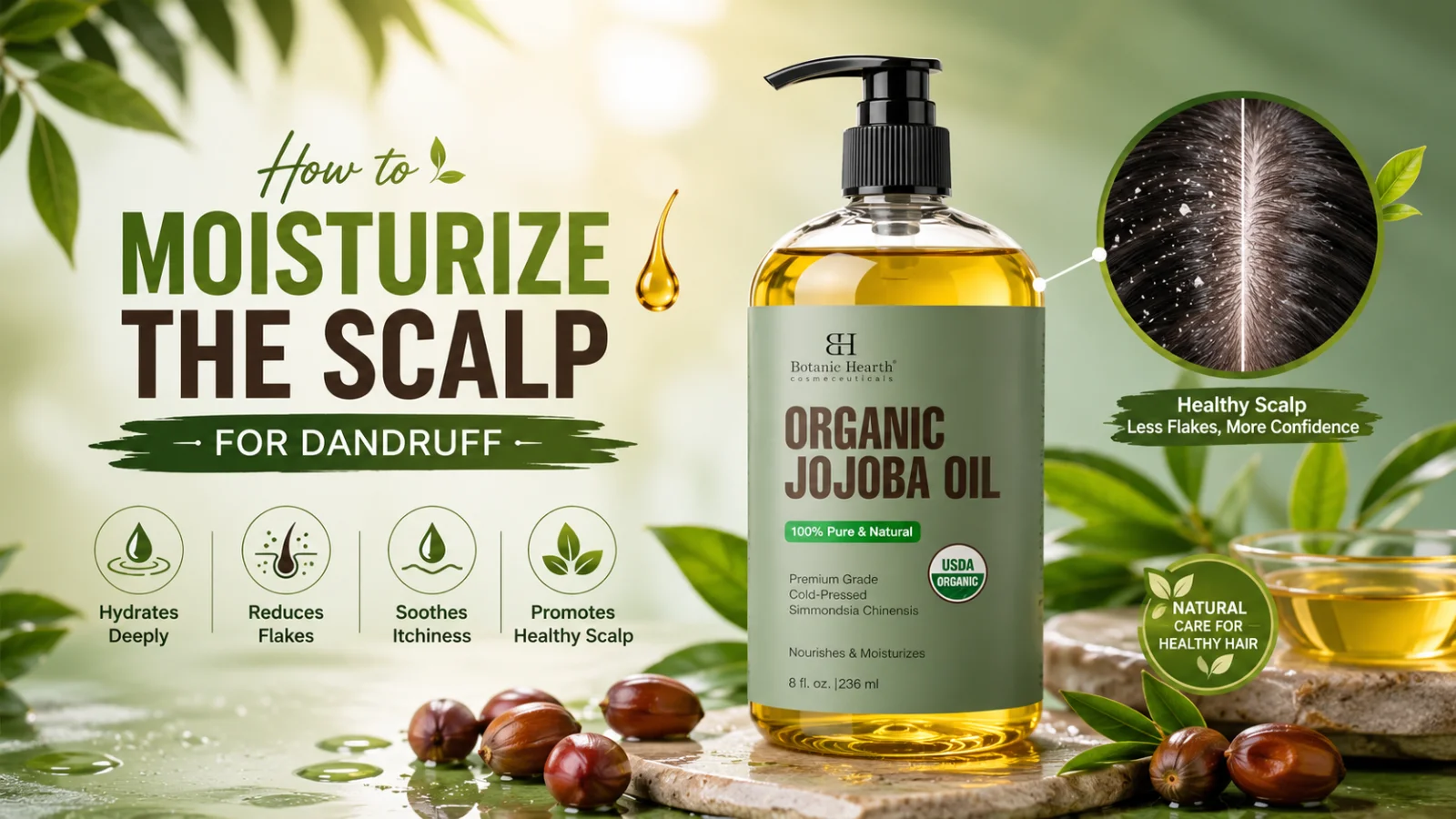

How to Moisturize the Scalp for Dandruff. Dandruff is one of those problems that tends to follow you everywhere.
The moment you scratch your head, you suddenly become aware of every white flake sitting on your shoulders. You avoid wearing black clothes. And even though dandruff is extremely common, it can still feel embarrassing in public.
I struggled with it for years. I tried nearly every medicated shampoo on the market. Some worked for a week or two, but the flakes always came back, sometimes worse than before.
What I didn’t realize at the time was that harsh shampoos were actually making the problem worse. They cleaned my scalp, but they also stripped away the natural oils that kept my skin balanced and healthy.
Everything changed once I stopped trying to “attack” dandruff and started learning how to moisturize the scalp for dandruff properly instead.
In this guide, I’ll walk you through what actually works, step by step.
How to Moisturize the Scalp for Dandruff: Dry Scalp vs. Dandruff: Know the Difference First
Before treating your scalp, it’s important to understand what you’re dealing with.
A dry scalp usually causes small white flakes, tightness, and itchiness. The main issue is dehydration.
Fungal dandruff, also called seborrheic dermatitis, is caused by an overgrowth of a yeast called Malassezia. It often leads to larger yellowish flakes, irritation, redness, and an oily scalp.
Both conditions benefit from moisturization. However, fungal dandruff usually needs antifungal ingredients alongside hydration.
Pros and Cons of Moisturizing Your Scalp for Dandruff
Pros
- Helps reduce flaking and itchiness naturally
- Soothes irritation and supports a healthier scalp barrier
- Works for all hair types
- Many effective methods use affordable natural ingredients
- Can improve overall scalp health and support hair growth
- Gentle enough for color-treated or chemically processed hair
Cons
- Results take consistency and patience
- Heavy oils can worsen oily or fungal dandruff if used incorrectly
- It may take time to find the right products for your scalp type
- Severe fungal dandruff may still require medicated treatment
- Natural remedies often need more effort than using a regular shampoo
How to Moisturize Your Scalp for Dandruff
Step 1: Stop Overwashing Your Hair
This surprised me at first.
Most people assume dandruff means they need to shampoo more often. But overwashing strips away natural oils, which can leave the scalp even drier and more irritated.
When your scalp loses too much moisture, it may actually produce more oil to compensate.
Try washing your hair only two to three times a week instead of daily.
Step 2: Switch to a Sulfate-Free Shampoo
Many shampoos contain sulfates, which create that rich lather people love. Unfortunately, they can also dry out the scalp badly.
If you’re dealing with dandruff, switching to a gentle sulfate-free shampoo can make a huge difference.
- Aloe vera
- Glycerin
- Tea tree oil
- Oat extract
Also, avoid washing your hair with very hot water. Lukewarm water is much gentler on the scalp.
Tip: Focus shampoo mainly on your scalp. The shampoo that rinses through your hair is enough to clean the lengths.
Step 3: Use a Lightweight Scalp Oil
This was the step that helped me the most personally.
Using lightweight oils two or three times a week can moisturize the scalp, reduce flaking, and calm irritation without clogging pores.
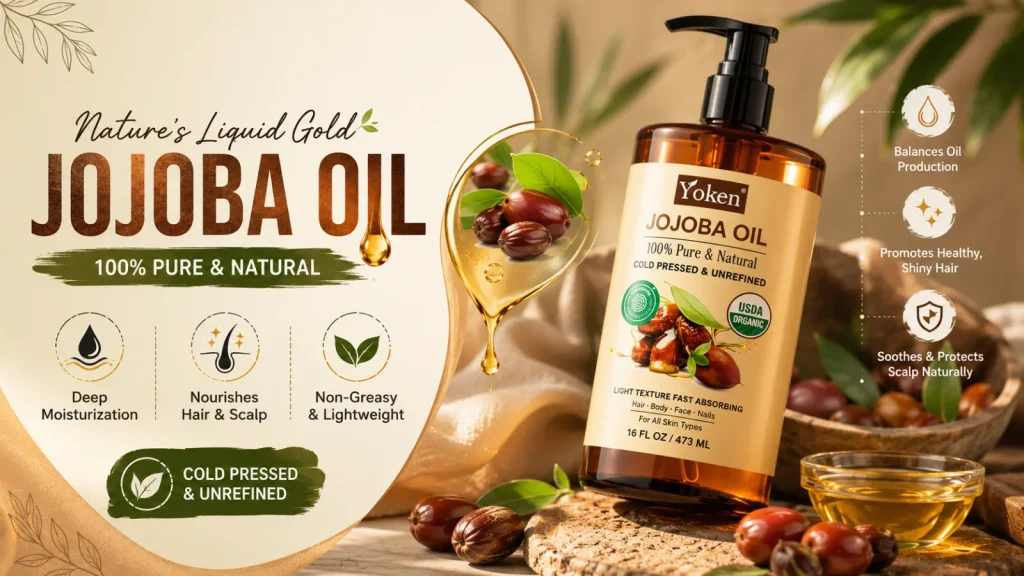
- Jojoba oil
Closely matches the scalp’s natural oils and absorbs easily without feeling greasy. - Tea tree oil (diluted)
Has natural antifungal properties that help fight dandruff-causing fungus. Always dilute it before use. - Argan oil
Lightweight, soothing, and rich in antioxidants.
- Neem oil
Strong antifungal and antibacterial properties, although the smell can be intense.
How to Moisturize the Scalp for Dandruff: How to apply scalp oil
- Part your hair into sections.
- Apply a small amount directly to the scalp.
- Massage gently using circular motions for 5 to 8 minutes.
- Leave it on for at least 30 minutes before washing.
You can also leave it overnight if your scalp tolerates it well.
Step 4: Try an Aloe Vera Scalp Treatment
Aloe vera is one of the best natural remedies for soothing an irritated scalp.
It hydrates the skin, reduces inflammation, and helps restore the scalp’s natural balance.
How to Moisturize the Scalp for Dandruff: How to use aloe vera on the scalp
- Apply fresh aloe vera gel or pure store-bought gel directly to the scalp.
- Leave it on for 30 to 45 minutes.
- Rinse thoroughly with cool water.
Repeat once or twice a week.
The cooling effect feels incredibly soothing on an itchy scalp.
Step 5: Use an Apple Cider Vinegar Rinse
This may sound unusual, but it can work surprisingly well.
Apple cider vinegar helps balance the scalp’s pH and may reduce the overgrowth of dandruff-causing fungus. It also removes buildup from styling products and excess oil.
How to use it
- Mix one part apple cider vinegar with two parts water.
- Apply after shampooing.
- Let it sit for 2 to 3 minutes.
- Rinse thoroughly.
Use it only once a week to avoid dryness.
And yes, the smell disappears after your hair dries.
Step 6: Massage Your Scalp Regularly
Scalp massage is more helpful than most people realize.
It improves blood circulation, helps distribute natural oils evenly, and loosens flakes gently without irritating the skin.
Use your fingertips and massage in slow circular motions for 5 to 10 minutes.
You can do this while applying oil or even during shampooing.
Step 7: Rinse With Cool or Lukewarm Water
Hot showers may feel relaxing, but they can dry out your scalp badly.
A cool or lukewarm rinse helps lock in moisture and reduce irritation.
You don’t need freezing water. Just lower the temperature during the final rinse for about 30 seconds.
Ingredients to Look For
- Tea tree oil – antifungal and antimicrobial
- Aloe vera – calming and hydrating
- Glycerin – attracts moisture to the scalp
- Zinc pyrithione – helps control dandruff-causing fungus
- Salicylic acid – gently removes dead skin buildup
- Niacinamide – supports the skin barrier and reduces irritation
Ingredients to avoid
- SLS (sodium lauryl sulfate) – overly drying
- Synthetic fragrance – may irritate sensitive scalps
- Denatured alcohol – strips moisture from the scalp
- Heavy silicones – can cause buildup over time
Extra Habits That Help Prevent Dandruff
These simple habits can make a bigger difference than you might expect:
- Avoid scratching your scalp
- Drink enough water daily
- Eat foods rich in zinc, omega-3s, and B vitamins
- Wash pillowcases regularly
- Avoid excessive heat styling
Healthy scalp habits matter just as much as products.
Best Products to Help Moisturize a Dandruff-Prone Scalp
1. Paul Mitchell Tea Tree Special Shampoo
Refreshing and effective for oily or itchy scalps. Contains tea tree oil to help reduce fungal buildup. (Affiliate link)
2. Neutrogena T/Gel Therapeutic Shampoo
A popular medicated shampoo that works well for stubborn dandruff. (Affiliate link)
3. Maple Holistics Tea Tree Shampoo
A gentle sulfate-free option with moisturizing ingredients and tea tree oil. (Affiliate link)
4. Majestic Pure Tea Tree Essential Oil
A high-quality tea tree oil that works well when mixed with a carrier oil like jojoba.
Frequently Asked Questions
Q.1:Does moisturizing the scalp make dandruff worse?
Not usually. Using lightweight oils correctly often improves dandruff. Heavy oils used excessively may worsen oily dandruff.
Q.2:How long does it take to see results?
Most people notice less itching within two to three weeks. Significant improvement usually takes four to six weeks of consistency.
Q.3:Can I apply tea tree oil directly to my scalp?
No. Tea tree oil should always be diluted before use to avoid irritation.
Q.4:Which oil works best for dandruff?
Jojoba oil combined with diluted tea tree oil is one of the best options for balancing and soothing the scalp.
Q.5:When should I see a doctor?
If dandruff becomes severe, painful, or doesn’t improve after several weeks, it’s best to consult a dermatologist.
Learning how to moisturize the scalp for dandruff completely changed the way I approach hair care.
It’s not about using harsher products or scrubbing your scalp harder. It’s about restoring balance and giving your scalp the hydration and care it actually needs.
Be patient and stay consistent. Small changes repeated over time can make a huge difference.
And honestly, your scalp will probably start feeling healthier long before you notice it in the mirror
