
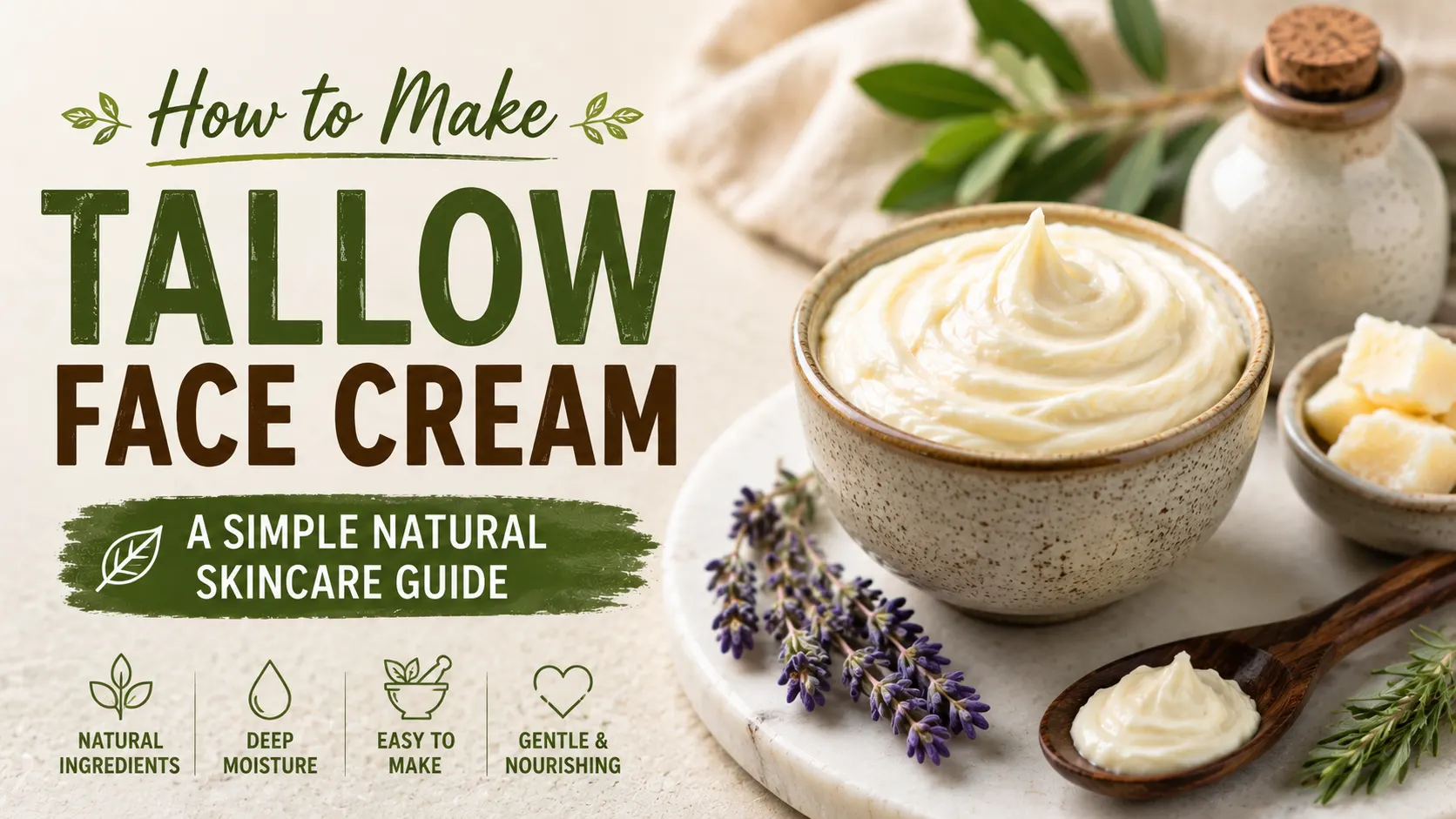

Natural skincare has become more popular than ever. Many people now want simple, nourishing ingredients. They want simplicity, not long and confusing labels. One traditional skincare product making a huge comeback is tallow face cream.
At first, using animal fat on your skin may sound unusual. For centuries, tallow has served as a staple in traditional skincare. It is rich and moisturizing. Today, more people are rediscovering it as part of a natural beauty routine.
Do you want softer skin with fewer chemicals? Learning how to make tallow face cream is a simple and effective solution.
The best part is that homemade tallow cream is easy to make. You do not need expensive tools or complicated ingredients. You only need a few simple ingredients to create a rich, luxurious face cream.
In this complete guide, you will learn:
- What tallow face cream is
- Why people use it in skincare
- The benefits and drawbacks
- The best ingredients to use
- Step-by-step instructions
- Helpful beginner tips
- Common mistakes to avoid
- How to customize your recipe
- How to store homemade cream
Are you new to DIY skincare or a fan of homemade products? This guide will help you create natural tallow face cream with confidence.
What Is Tallow Face Cream?
Tallow face cream is a moisturizer made from rendered beef fat. Usually, it comes from grass-fed cows. Once rendered and purified, it becomes a smooth, creamy skincare staple.
Good-quality tallow feels rich and buttery. When whipped, it creates a soft cream that melts into the skin.
What makes tallow unique is how it resembles the natural oils found in human skin. Because of this, many people find it moisturizing and comfortable to use.

Homemade tallow face cream often contains:
- Grass-fed beef tallow
- Jojoba oil
- Olive oil
- Shea butter
- Beeswax
- Essential oils
Some recipes keep things simple with only two ingredients. Others include luxurious oils and herbal infusions for extra skin benefits.
For years, commercial skincare dominated the beauty world. Recently, many people have moved back to traditional skincare. They now prefer natural ingredients.
Tallow became popular again products that feel:
- Simple
- Natural
- Nourishing
- Gentle
- Effective
Many commercial moisturizers contain:
- Artificial fragrance
- Preservatives
- Alcohols
- Silicones
- Fillers
Some people prefer avoiding those ingredients whenever possible.
Homemade tallow cream offers a more minimal approach. You know exactly what goes into the jar, which gives many users peace of mind.
Tallow is also popular because it feels moisturizing. It works especially well during winter or in dry weather.
Is Tallow Good for Your Skin?
For many people, yes.
Tallow contains nutrients and fatty acids that help support the skin barrier. It creates a protective layer that helps lock in moisture and reduce dryness.
Many users say their skin feels:
- Softer
- Smoother
- More comfortable
- Less flaky
- Better hydrated
Tallow contains vitamins such as:
- Vitamin A
- Vitamin D
- Vitamin E
- Vitamin K
These vitamins are common in skincare. They support healthy-looking skin.
However, skincare always feels personal. What works for one person may not work for another.
That is why patch testing is important.
Who Should Use Tallow Face Cream?
Tallow cream works especially well for people with:
- Dry skin
- Sensitive skin
- Mature skin
- Rough patches
- Dehydrated skin
Many people also enjoy using it during colder months when skin tends to feel dry and irritated.
Some combination skin users apply it only at night or on dry areas.
If you have oily or acne-prone skin, you may prefer a lighter recipe with balancing oils like jojoba oil. Some acne-prone users love tallow, while others find it too rich.
Start small and observe how your skin reacts.
Benefits of Homemade Tallow Face Cream
Homemade skincare offers several benefits beyond saving money.
Here are some reasons why many people enjoy making their own tallow cream.
Full Ingredient Control
You decide exactly what goes into your skincare.
That means you can avoid:
- Artificial fragrance
- Harsh preservatives
- Unnecessary chemicals
- Cheap fillers
This feels especially helpful for people with sensitive skin.
Deep Moisture
Tallow provides rich, lasting hydration. It works especially well for dry or flaky skin.
Many people notice their skin feels softer after only a few uses.
Long-Lasting Product
A small amount goes a long way.
One jar can last several weeks or even months, depending on usage.
Easy to Customize
You can adjust the recipe depending on your skin needs.
For example:
- Add lavender oil for calming skincare
- Add rosehip oil for mature skin
- Add shea butter for extra richness
- Add tea tree oil for blemish-prone areas
Supports a Simpler Routine
Many people become tired of complicated 10-step skincare routines.
Homemade tallow cream helps simplify skincare while still providing moisture and comfort.
Pros and Cons of Tallow Face Cream
Like every skincare product, tallow face cream has advantages and disadvantages.
Understanding both sides helps you decide if it fits your skincare routine.
Pros
- Intense moisture
- Rich in natural vitamins
- Supports the skin barrier
- Great for dry skin
- Long-lasting
- Customizable
- Simple ingredient list
- Works well during winter
- Often gentle for sensitive skin
Cons
- Not vegan
- Some people dislike the natural scent
- Can feel heavy on oily skin
- May clog pores for certain users
- Requires proper rendering
- Texture may feel greasy if overapplied
The biggest beginner mistake is usually using too much product.
Tallow cream is rich, so a small amount often works best.
Essential Ingredients for Tallow Face Cream
You do not need dozens of ingredients to make an effective tallow cream.
Simple recipes often work best.
Grass-Fed Beef Tallow
This is the main ingredient.
Grass-fed tallow is the best choice. It offers higher nutrient quality and a cleaner texture.
Rendered tallow should smell mild, not overpowering.
Carrier Oils
Carrier oils help soften the texture and improve absorption.
Popular options include:
- Jojoba oil
- Olive oil
- Rosehip oil
- Sweet almond oil
- Avocado oil
Jojoba oil is very popular. It feels lightweight and balances richer ingredients.
Shea Butter
Shea butter adds extra softness and moisture.
It also helps create a creamier texture.
Beeswax
Beeswax thickens the cream. It also helps create a protective barrier over your skin.
Some people skip beeswax if they prefer a softer whipped cream.
Essential Oils
Essential oils provide natural fragrance and extra skincare benefits.
Popular choices include:
- Lavender oil
- Frankincense oil
- Tea tree oil
- Chamomile oil
- Rose oil
Use essential oils with caution; strong concentrations can irritate sensitive skin.
Tools You Need to Make Tallow Face Cream
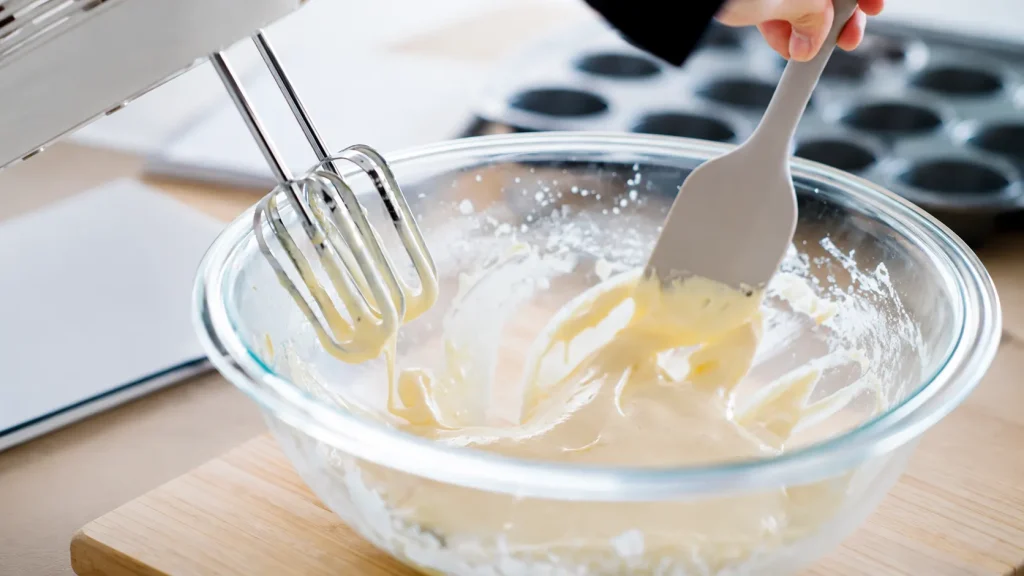
One nice thing about homemade skincare is that you do not need fancy equipment.
Most tools are already available in a normal kitchen.
Basic Equipment List
- Double boiler or heat-safe bowl
- Mixing bowl
- Hand mixer or whisk
- Measuring spoons
- Spatula or spoon
- Glass jars for storage
Clean tools matter a lot in DIY skincare.
Always sanitize your jars before use.
How to Make Tallow Face Cream
Now comes the most important part.
This recipe is perfect for beginners. It creates a soft, whipped cream that works well for most skin types.
Ingredients
- 1 cup grass-fed beef tallow
- 2 tablespoons jojoba oil
- 1 tablespoon shea butter
- 5–10 drops lavender essential oil
Step 1: Melt the Ingredients
Place the tallow and shea butter into a double boiler over low heat.
Stir until melted.
Avoid overheating the mixture because too much heat can affect texture and scent.
Step 2: Add the Oils
Remove the bowl from the heat.
Add jojoba oil and essential oils.
Stir until combined.
Step 3: Cool the Mixture
Place the bowl in the refrigerator for about 20–30 minutes.
The mixture should become solid but still soft enough to whip.
Step 4: Whip the Cream
Use a hand mixer to whip the mixture for several minutes.
The texture should become light, fluffy, and creamy.
This step makes a huge difference.
Without whipping, the cream may feel dense and heavy.
Step 5: Store the Cream
Transfer the finished cream into clean glass jars.
Store in a cool, dry place away from direct sunlight.
Tips for Getting the Perfect Texture
Texture separates average homemade skincare from luxury products.
Here are some useful tips.
Do Not Overheat the Tallow
High heat may create a grainy texture and a stronger smell.
Use low heat.
Whip Long Enough
Whipping creates softness and airiness.
Do not rush this step.
Adjust Oil Ratios
More oil creates a softer cream.
Less oil creates a firmer texture.
Use Small Test Batches
Small batches help you experiment before making larger amounts.
Best Essential Oils for Tallow Face Cream
Essential oils can improve both the scent and feel of your cream.
Here are some of the best options.
Lavender Oil
Lavender feels calming and relaxing.
Many people enjoy using it in nighttime skincare.
Frankincense Oil
Frankincense is popular in mature skincare products because it feels rich and luxurious.
Tea Tree Oil
Tea tree oil is often used for blemish-prone skin.
Use only a small amount because it can feel strong.
Chamomile Oil
Chamomile works well for sensitive or irritated skin.
Rose Oil
Rose oil adds a soft, floral scent and luxurious feel.
Common Mistakes Beginners Make
Homemade skincare feels simple, but beginners often make a few avoidable mistakes.
Using Low-Quality Tallow
Poor-quality tallow may smell unpleasant and feel greasy.
Quality matters more than people realize.
Adding Too Much Essential Oil
More fragrance does not always mean better skincare.
Too much essential oil may irritate the skin.
Skipping Patch Testing
Even natural ingredients can cause reactions.
Always patch test before full use.
Using Dirty Containers
Unsanitized jars may shorten shelf life.
Clean storage matters.
Applying Too Much Product
Tallow is rich and concentrated.
A tiny amount often works best.
How to Use Tallow Face Cream
Using tallow cream helps prevent greasy skin.
Start Small
Use a pea-sized amount first.
You can always add more if needed.
Apply to Damp Skin
Damp skin helps trap moisture.
Use at Night
Many people prefer tallow cream as a nighttime moisturizer because of its richness.
Focus on Dry Areas
You do not always need to apply it everywhere.
Dry patches usually benefit most.
Can You Use Tallow Face Cream Every Day?
Yes, many people use it daily.
Dry skin users often apply it in the morning and at night.
Others prefer using it:
- During winter
- Before bed
- After exfoliation
- On dry areas only
Your skin will usually guide you toward the best routine.
How Long Does Homemade Tallow Face Cream Last?
Homemade tallow cream usually lasts:
- 3–6 months at room temperature
- Longer when refrigerated
Shelf life depends on:
- Cleanliness
- Storage conditions
- Added ingredients
- Exposure to moisture
Always use dry fingers or a clean spoon when using the cream.
If the smell changes, discard the product.
How to Reduce the Natural Tallow Smell
One concern many beginners have is the scent.
Rendered tallow should smell mild, not overpowering.
Here are a few ways to reduce odor.
Use High-Quality Grass-Fed Tallow
Better-quality tallow usually smells cleaner.
Add Gentle Essential Oils
Lavender and frankincense help balance the natural scent.
Render the Tallow
Impurities often create stronger smells.
Keep Recipes Simple
Too many ingredients may create unusual scent combinations.
DIY Tallow Cream Variations You Can Try
Once you understand the basics, you can experiment with custom recipes.
Whipped Lavender Tallow Cream
Perfect for calming nighttime skincare routines.
Rosehip Tallow Cream
Popular for mature or dry skin.
Tea Tree Tallow Balm
Often used on blemish-prone areas.
Cocoa Butter Tallow Cream
Adds richness and a softer scent.
Is Tallow Face Cream Better Than Commercial Moisturizers?
That depends on your skin type and personal preferences.
Commercial moisturizers often contain:
- Preservatives
- Silicones
- Artificial fragrance
- Fillers
Homemade tallow cream focuses more on simple nourishment.
Some people notice softer skin within days.
Others still prefer lighter commercial formulas.
Skincare always feels personal. The goal is to find products that make your skin feel healthy and comfortable.
Practical Tips for Beginners
If this is your first time making skincare products, these tips can help.
Start Simple
Avoid adding too many ingredients immediately.
Buy Small Ingredient Amounts
Test recipes before spending too much money.
Write Down Every Recipe
Small adjustments matter later.
Be Patient
Homemade skincare often requires experimentation.
Observe Your Skin
Your skin may need time to adapt.
How to Store Homemade Tallow Face Cream
Proper storage helps maintain quality and freshness.
Keep Away From Heat
Warm temperatures may melt the cream.
Use Glass Containers
Glass jars help preserve freshness better than plastic.
Avoid Wet Fingers
Water contamination can shorten shelf life.
Store in a Dark Place
Direct sunlight may affect oils over time.
Common Questions
1. Is tallow face cream safe for sensitive skin?
Many people with sensitive skin use tallow cream. It contains simple ingredients and fewer harsh additives. Every skin type reacts uniquely. Always perform a patch test first. Avoid strong essential oils if you have sensitive skin.
2. Can I use tallow face cream on acne-prone skin?
Some acne-prone users tolerate tallow well. It works especially well when mixed with lightweight oils like jojoba. Others may find it too heavy. Start with a very small amount and watch how your skin reacts over several days before daily use.
3. What type of tallow works best for skincare?
Grass-fed beef tallow is the best choice for its superior nutrients and clean texture. Rendered tallow has a faint scent. It creates a smooth cream that feels pleasant on your skin.
4. Do I need preservatives in homemade tallow face cream?
Most simple tallow creams do not need preservatives if they contain only oils and fats. Always use clean jars. Also, avoid introducing water into the product to keep it fresh for longer.
5. Can I make whipped tallow face cream without essential oils?
It is excellent. Essential oils are optional. Many people prefer unscented tallow cream, especially those with sensitive skin. The cream provides moisture and nourishment. It works well even without fragrance or extra ingredients.

Conclusion
Learn to make tallow face cream. It will completely change how you think about skincare.
The process is simple once you understand the basics. You do not need expensive equipment or complicated ingredients. A few natural ingredients create a rich moisturizer. It feels nourishing and comforting on the skin.
Tallow face cream may not work for everyone. However, many people love its simplicity, deep moisture, and natural feel. The best part is that you can customize it based on your own skincare needs.
Start with a small batch. Keep the recipe simple. Pay attention to how your skin responds.
Sometimes the most effective skincare routines are also the simplest.
