
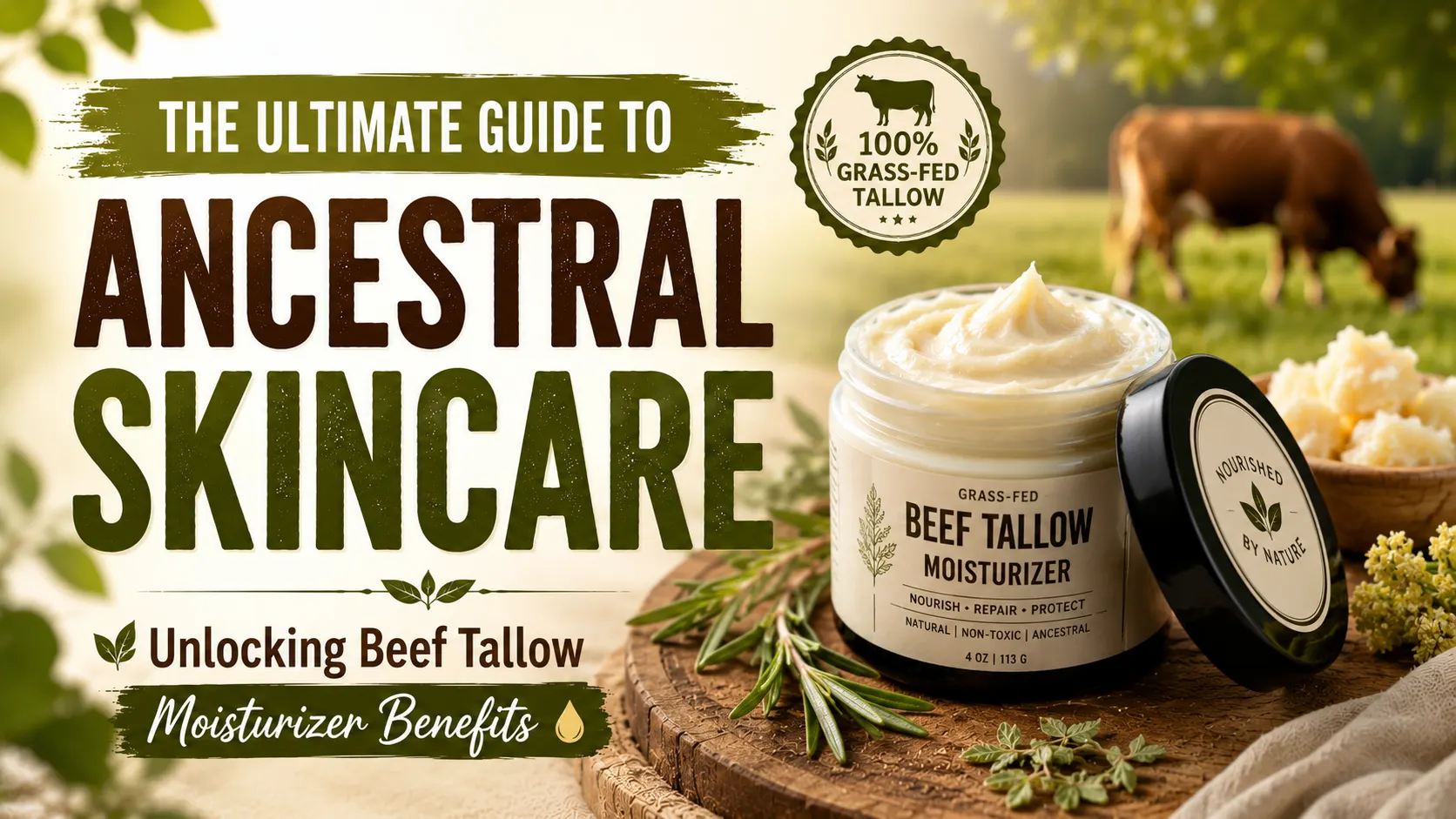

The Ultimate Guide to Ancestral Skincare. Have you ever flipped over a commercial lotion bottle and tried to read the ingredient list? It usually looks like a high school chemistry test. You see long words, synthetic chemicals, and artificial fragrances. I used to slather those expensive lotions on my dry skin every single morning. Yet, by lunchtime, my skin felt tight, itchy, and flaky again.
Then, a friend suggested something that sounded completely wild at the time. She told me to put rendered beef fat on my face.
I was skeptical at first. Would I smell like a Sunday roast? Would it clog my pores and cause a massive breakout? Out of sheer desperation to fix my dry, irritated winter skin, I decided to give it a try. The results completely blew me away. Within three days, the stubborn red patches on my cheeks disappeared. My skin felt soft, supple, and healthy for the first time in years.
Today, people are turning away from complex chemical formulas. We are looking back at what our ancestors used for centuries. This brings us to a powerful secret: natural, deep hydration for your skin. Let’s dive deep and explore the incredible world of traditional skincare.
What Exactly is Beef Tallow?
Before we look at what it does for your skin, let’s clear up what beef tallow actually is. True skin-grade tallow is not the melted fat from a cooking pan. It is the rendered form of beef suet. Suet is the clean, nutrient-dense fat found around the kidneys and loins of cattle.
To make tallow, artisans simmer this raw suet over low heat. This process removes all water and solid proteins. What remains is a pure, golden liquid. At room temperature, it solidifies into a creamy, shelf-stable butter.
For skincare, the quality of the source matters. The best tallow comes from 100% grass-fed and grass-finished cows. These animals spend their lives outdoors under the sun, grazing on fresh pastures. As a result, their fat stores a massive amount of bioavailable nutrients. You cannot find these in factory-farmed, grain-fed cattle.
The Fascinating History of Ancestral Skincare
The Ultimate Guide to Ancestral Skincare. Using animal fats on the skin is not a new internet trend. It is actually a return to traditional wisdom. For thousands of years, humans relied on nature to protect their skin. They needed defense against harsh winds, intense sun, and dry weather.
Ancient Roman and Egyptian texts show that physicians mixed tallow with herbs. They used these blends to heal burns and skin ailments. Early American settlers never wasted any part of the animal. They saved the tallow from their harvests to make soaps and candles. They also crafted soothing skin balms for the whole family.
The commercial cosmetic industry exploded in the mid-20th century. Companies swapped traditional fats for cheap, petroleum-based mineral oils and synthetic fillers.. They did this to cut costs and extend shelf life, not to help your skin. Now, the secret is out again, and traditional tallow is making a massive comeback.
The Ultimate Guide to Ancestral Skincare.
Why Modern Skincare Often Falls Short
We spend billions of dollars globally on high-end serums, creams, and lotions. Yet, skin conditions like eczema, rosacea, and adult acne are more common than ever. Why is that?
Most modern moisturizers rely on water as their primary ingredient. When you apply a water-based lotion, it feels hydrating. However, that water evaporates off your skin within minutes. This process even takes your skin’s natural moisture along with it.
To keep water and oil mixed together, companies must use chemical emulsifiers. They also add stabilizers and preservatives. Many of these synthetic additives strip away your skin’s natural protective barrier. This leaves your skin vulnerable to irritation, environmental toxins, and chronic dryness. Tallow is unique because it contains zero water and requires no chemical fillers.
Beef Tallow Moisturizer Benefits
Why does tallow work so well? The answer lies in its unique molecular structure. What makes tallow unique is how it resembles the natural oils found in human skin.
Our skin produces a natural oil called sebum. Sebum acts as a waterproof shield to lock in moisture and keep harmful bacteria out. Human sebum and beef tallow both share a similar profile, consisting of 50% to 55% saturated fats.
Their lipid profiles are identical. As a result, your skin does not treat tallow like a foreign substance. It recognizes it immediately. Instead of sitting on top of your skin like heavy mineral oil, tallow sinks deep into the cellular level. It integrates with your lipid barrier to repair damage. This provides nourishment where your skin needs it most. This unique biological match is the foundation of all beef tallow moisturizer benefits.
Rich in Bioavailable Fat-Soluble Vitamins
Synthetic plant oils and petroleum jellies lack vital nutrients. Grass-fed beef tallow contains a high concentration of active nutrients. It serves as a natural multivitamin for your skin barrier.
Tallow provides essential vitamins like A, D, E, and K.
- Vitamin A promotes healthy skin cell turnover and boosts natural collagen production. This helps smooth out fine lines and wrinkles.
- Vitamin D calms skin inflammation and protects against environmental damage. It also supports skin cell repair.
- Vitamin E is a powerhouse antioxidant that neutralizes free radicals. It also reverses signs of premature aging.
- Vitamin K: Speeds up the healing of bruises, minor wounds, scars, and uneven skin tone.
The best part? These vitamins are fat-soluble. Natural fat carries these vitamins, and your skin absorbs them easily. Your body uses them better than synthetic versions.
A Powerhouse of Essential Fatty Acids
The magic of tallow does not stop at vitamins. It contains unique fatty acids with powerful therapeutic benefits for your skin.
Conjugated linoleic acid (CLA) is a key component. Grass-fed tallow contains up to five times more CLA than grain-fed varieties. CLA is a potent anti-inflammatory agent. It helps soothe chronic skin conditions and reduces redness. Additionally, it accelerates the skin’s healing process.
Tallow contains oleic acid, a penetration enhancer that drives nutrients into the skin. It features palmitic acid to strengthen the barrier function. Additionally, stearic acid repairs damage, improves flexibility, and maintains youthful elasticity .The Ultimate Guide to Ancestral Skincare.
Deep Hydration Without a Greasy Residue
One of the biggest fears people have about animal fats is the grease factor. No one wants to walk around looking shiny or feeling sticky all day long.
Tallow mimics your natural sebum, allowing for seamless skin absorption. When you apply the correct amount, it sinks into your pores within a few minutes. It leaves behind a soft, velvety finish rather than a heavy, oily layer.
Tallow is also popular because it provides intense moisture. It creates a breathable, protective barrier over your skin. This barrier prevents transepidermal water loss (TEWL). In short, it stops your body’s moisture from escaping into the dry air. This makes it perfect for comfortable, all-day wear. The Ultimate Guide to Ancestral Skincare.
Calming Chronic Skin Issues: Eczema and Psoriasis
If you suffer from eczema, psoriasis, or rosacea, you know how painful and exhausting it can be. A compromised skin barrier leads to itching, cracking, and burning. Many prescription steroid creams thin your skin over time. This damage often creates a cycle of dependency.
Tallow offers a gentle, natural alternative for irritated skin. This formula contains zero synthetic chemicals, fragrances, or artificial colorants. So, it carries no risk of triggering a flare-up.
Tallow’s anti-inflammatory fatty acids calm redness and soothe itching. It floods the damaged barrier with nutrients, helping the skin repair itself. Parents often use grass-fed tallow balms for babies. It clears up stubborn cradle cap and diaper rash.
An All-Natural Anti-Aging Remedy
The beauty industry spends billions pushing anti-aging chemicals like retinol. Synthetic retinol works, but it can trigger harsh side effects. Initial use often triggers temporary dryness, redness, and sun sensitivity.
Tallow provides a completely natural, irritation-free anti-aging solution. Rich in natural Vitamin A, it encourages faster skin renewal. This helps shed dead skin cells and brings fresh, plump skin to the surface.
Rich in Vitamin E, tallow shields skin cells from pollution and UV exposure. It locks in moisture and boosts skin elasticity. This plumping effect softens fine lines, crow’s feet, and wrinkles.
Is It Safe for Acne-Prone Skin?
It seems counterintuitive to put animal fat on oily, acne-prone skin. We often look for ‘oil-free’ labels on skincare products. However, oil-free products often strip the skin. This forces it to overproduce sebum, leading to even more breakouts.
Tallow has a comedogenic rating of 2 out of 5. This means it has a very low risk of clogging your pores.
Furthermore, tallow contains palmitoleic acid, which has natural antimicrobial and antibacterial properties. It helps fight off the specific bacteria that cause acne breakouts in the first place. Tallow balances your skin’s natural oil production and calms inflammation. This helps clear your complexion instead of causing new blemishes.
Weighing the Pros and Cons of Tallow Skincare
Let’s take an honest look at the pros and cons of switching to a tallow-based skincare routine to help you decide.
The Pros
- 100% Natural: Contains zero synthetic chemicals, parabens, artificial fragrances, or water fillers.
- Excellent Bioavailability: Tallow mirrors human skin oils. This allows for deeper absorption than plant-based alternatives
- Nutrient-Dense: Loaded with fat-soluble vitamins and anti-inflammatory fatty acids.
- Unmatched Versatility: One jar can replace your face cream, body lotion, eye cream, and lip balm.
The Cons
- The Scent: Unscented tallow has a mild, earthy smell. Some users may find this aroma unappealing.
- Tallow comes from beef fat and is not suitable for vegans.
- Temperature Sensitivity: Tallow contains no chemical stabilizers. It may melt in high heat or harden in extreme cold.
Whipped Tallow vs. Traditional Balms
Applying it to damp skin traps hydration. traditional balms and whipped creams. Both offer the same nutritional benefits, but they feel very different on your skin.
Traditional balms are dense and solid, like a lip balm or beeswax block. These concentrated balms are perfect for dry hands, cracked heels, or rough elbows.
How to Apply Tallow to Your Face and Body
If you apply it like a regular, water-heavy drugstore lotion, your skin will look greasy.
Follow these simple steps for a perfect application every time:
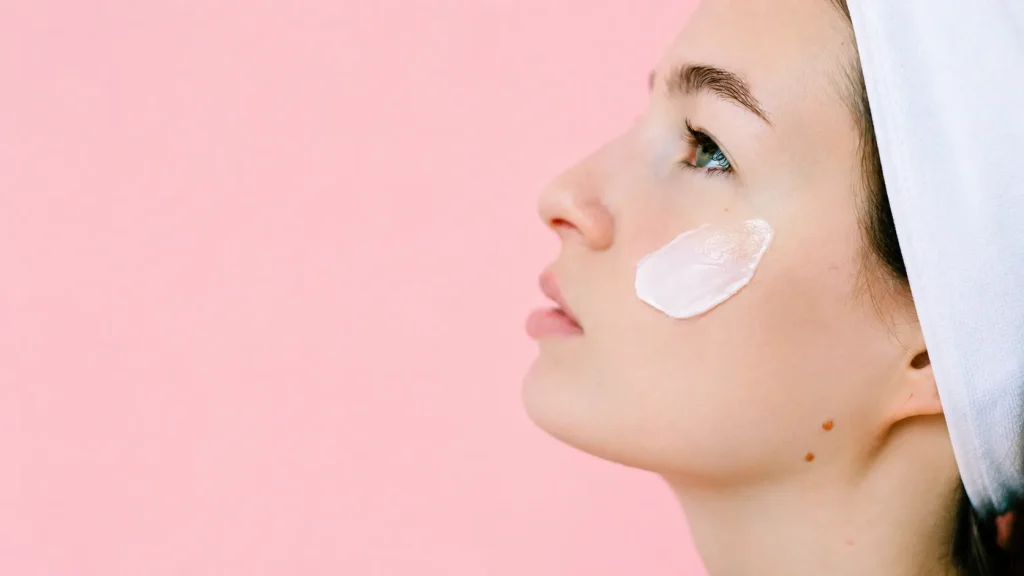
- Step 1: Wash your face or body with a gentle cleanser and leave your skin damp.
- Step 2: Take a tiny, pea-sized amount of tallow cream and place it onto your fingertips.
- Step 3: Rub your fingers together to warm up the tallow. It melts into a silky liquid oil.
- Step 4: Press and massage the oil into your skin using upward motions.
Give it two to three minutes to absorb. Your skin will absorb the nutrients, leaving you with a healthy, radiant glow that lasts all day long.
DIY: How to Render Tallow at Home
If you love kitchen projects, you can make your own premium skincare balm at home. It costs a fraction of store-bought creams.
First, contact a local, regenerative farm and ask for grass-fed beef suet. Pulse the cold suet in a food processor until powdered. Place the ground fat into a slow cooker on the lowest heat setting. Let it melt for four to six hours. Make sure it never boils, as high heat destroys the delicate vitamins.
Once melted, strain the liquid into a glass bowl. Use a fine mesh strainer lined with cheesecloth. Let it cool completely. To remove any remaining beef scent, repeat the melting process. This time, add clean water and a tablespoon of sea salt. Once cooled, scrape away the bottom impurities. You now have pure, odorless skincare gold.
Crafting Your Own Whipped Tallow Cream
Once you have pure, rendered tallow, you can transform it into a luxurious facial cream. It will rival even the most expensive department store brands.
To start, melt one cup of pure tallow over low heat. Once liquid, stir in two tablespoons of a high-quality liquid carrier oil, like jojoba or emu oil. Jojoba oil is an excellent addition as it mimics the skin’s natural oils and enhances the blend.
Place the mixture in the refrigerator until it solidifies. It should remain soft enough to press your thumb into it. Grab a hand mixer or a stand mixer with a whisk attachment. Beat the mixture on high speed for ten minutes until it forms stiff, white, fluffy peaks.
Whip in five drops of lavender or frankincense essential oil for the final minute. This adds a lovely scent. Scoop the gorgeous cream into a clean glass jar. It will stay fresh and shelf-stable at room temperature for up to six months.
How to Store Your Homemade Cream
Homemade tallow cream lacks chemical preservatives. Store it in a cool, dry place to keep it fresh and potent.
Water is the ultimate enemy of pure tallow. If water gets inside your jar, it will create an environment where mold and bacteria can grow. Always ensure your hands are completely dry before scooping the cream. Or, use a small wooden spoon or a cosmetic spatula.
Keep your jar stored in a cool, dry place away from direct sunlight. In hot summer weather, whipped tallow can melt and lose its fluffy texture. If your house gets very warm, store your cream in the refrigerator. It will become firm but melt the moment it touches your warm skin.
Comparing Tallow to Common Plant Oils
Many people wonder why they should choose animal fat over plant oils like coconut or argan. Plant oils are beneficial. They lack the biological compatibility that animal fats share with our skin.
Coconut oil contains high amounts of lauric acid, making it comedogenic. It sits on the skin and causes acne breakouts. Shea butter is beneficial for dry skin. However, it lacks the bioavailable vitamins and active cellular matrix that tallow provides. The Ultimate Guide to Ancestral Skincare
Plant oils also lack the exact lipid ratio of human sebum. They may soften the surface of your skin. These oils don’t reach deep enough to repair the skin’s cellular barrier, unlike tallow.
Common Mistakes to Avoid
Switching to an animal-based skincare routine has a learning curve. Avoiding a few common mistakes will ensure the best results.
- Using too much product: A pea-sized amount is all you need for your entire face. Using too much will sit on your skin and look greasy.
- Buying grain-fed tallow: Grain-fed fats lack the rich profile of grass-fed tallow. They do not contain the same levels of CLA, antioxidants, and vitamins.
- Applying to bone-dry skin: Tallow seals in moisture. Applying it to damp skin traps hydration.
- Avoid tallow products with synthetic fragrances. Adding artificial perfumes to mask the natural scent is unnecessary. It defeats the purpose of choosing clean, non-toxic skincare.
Follow these simple tips to help your skin adapt to this pure, traditional routine.
Environmental and Ethical Benefits
Tallow products offer benefits that go beyond personal skin health. It is also a sustainable, ethical choice for our planet.
Tallow is a natural byproduct of the meat industry. When people process cattle for meat, the nutrient-dense suet is often thrown away as waste. Using tallow in your skincare supports ‘nose-to-tail’ consumption. It ensures that no part of the animal goes to waste.
Furthermore, most commercial lotions rely on palm oil, petroleum, and synthetic chemicals. These pollute our waterways and destroy rainforests. Choosing grass-fed tallow from local, regenerative farms supports better agriculture. This practice restores soil health, sequesters carbon, and ensures humane animal treatment.
FAQ
Will beef tallow moisturizer make my skin smell like beef?
Pure, grass-fed tallow has a mild, earthy scent. This fades within minutes of application. If you prefer a different scent, choose a whipped tallow cream. Options like lavender, vanilla, or frankincense can mask its natural undertone.
Can I use beef tallow on my face if I have oily skin?
Yes, essential oils are optional. Tallow mimics your skin’s natural sebum. “When you apply a small amount, your skin feels balanced. This may help prevent excess oil production. Its natural antimicrobial properties help fight bacteria that cause breakouts. This may help balance oily skin.
Does beef tallow moisturizer clog pores?
Tallow has a comedogenic rating of 2 out of 5. Its molecular structure is like your skin’s natural lipids. So it absorbs into the skin.
How long does a jar of homemade tallow moisturizer last?
A water-free beef tallow moisturizer can last up to six months at room temperature. In the fridge, it can last up to a year. Keep the lid closed and always use clean, dry hands or a spatula.
Why is grass-fed tallow better than grain-fed tallow?
Grass-fed tallow has more vitamins A, D, E, and K. It also contains more CLA than grain-fed tallow. Cows raised on pasture absorb sunlight and nutrients. This creates a more potent skincare product.
Conclusion
The Ultimate Guide to Ancestral Skincare. the complete handbook to traditional skincare. The best part is that homemade tallow cream is easy to make. It also benefits your skin over time. It provides clean, deep hydration. Most modern lotions cannot match it.
The Ultimate Guide to Ancestral Skincare. By using this traditional method, you avoid harsh chemicals and reduce environmental waste. It also provides your skin with nutrients that support healing and aglow.
Tired of dry, sensitive, or irritated skin? Avoid the commercial beauty aisle. Give a pure, grass-fed tallow moisturizer a try for a week. Your skin is waiting for the natural nourishment it was always designed to receive.
