

Introduction
Healthy skin does not always need expensive skincare products or complicated beauty routines. Many people now prefer homemade skincare. It feels safer, fresher, and more natural for daily use. That is exactly why searches for how to make face cream continue to grow every year
Homemade face cream allows you to control every ingredient that goes onto your skin. You can avoid harsh chemicals and strong fragrances. These fillers are common in store-bought skincare products. At the same time, you can create a cream that matches your exact skin type.
Some people need deep hydration for dry skin, while others prefer lightweight moisture that does not clog pores. Homemade skincare gives you that flexibility.
Another reason people enjoy making their own cream is the experience itself. Mixing natural oils, butter, and soothing ingredients feels relaxing. It also creates a stronger connection with your skincare routine.
You do not need professional equipment or advanced skincare knowledge to get started. A few simple ingredients can create a soft, nourishing cream that works well.
In this guide, you will learn:
- How to make face cream step by step
- Which ingredients work best
- How to choose oils for your skin type
- Common mistakes to avoid
- How to store homemade cream Protect
- Easy DIY recipes for beginners
Start your natural skincare journey the right way. This guide offers gentle, affordable, and effective solutions.
What Is Face Cream?
Face cream moisturizes, softens, and protects the skin. Most creams combine oils and water to do this. These ingredients keep your skin smooth and hydrated.
A good face cream supports the skin barrier and reduces dryness. Some creams also calm irritation and improve skin texture. They keep your skin looking healthy all day.
Commercial creams often contain:
- Artificial fragrance
- Alcohol
- Preservatives
- Silicone
- Synthetic chemicals
That is one reason many people now prefer homemade alternatives. Natural creams usually feel lighter, fresher, and gentler when made the right way.
Homemade face cream can work for:
- Dry skin
- Oily skin
- Sensitive skin
- Combination skin
- Mature skin
“Choose ingredients that suit your skin type. Do not follow random online recipes.”
Why More People Prefer Homemade Face Cream
Homemade skincare is growing in popularity. People want simple products with ingredients they can trust.
Better Control Over Ingredients
You decide exactly what goes into your cream. That means fewer hidden chemicals and more safe-for-skin ingredients.
More Affordable
Natural skincare products can become expensive fast. Homemade face cream often costs less because basic ingredients last for several batches.
Easier to Customize
Every skin type needs different care. For example:
- Dry skin usually needs richer oils
- Oily skin benefits from lightweight ingredients
- Sensitive skin often prefers fragrance-free blends
Homemade cream makes it easy to adjust everything according to your needs.
Freshness Matters
Fresh skincare often feels better on the skin because it contains fewer preservatives. Many people prefer homemade cream. It feels softer and cleaner than processed store products.
Essential Ingredients for Face Cream
First, understand the key ingredients before making homemade face cream.
Carrier Oils
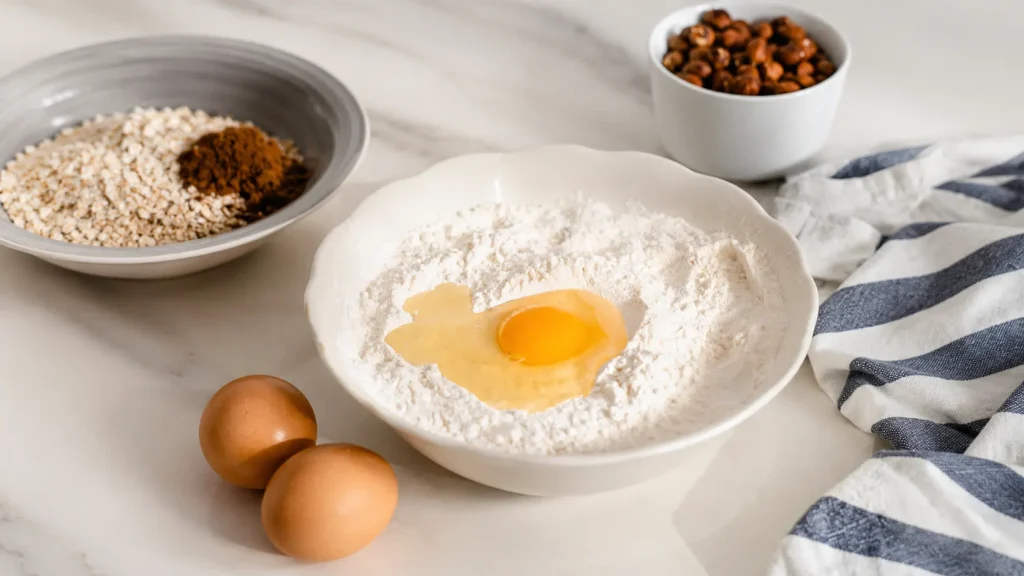
Carrier oils provide moisture and nourishment. Popular options include:
- Almond oil
- Jojoba oil
- Coconut oil
- Olive oil
- Argan oil
Each oil offers different benefits and textures.
Shea Butter
Shea butter creates a rich, creamy texture and helps soften dry skin. It works especially well during colder months.
Beeswax
Beeswax thickens the cream and helps lock moisture into the skin. You only need a small amount for most recipes.
Aloe Vera Gel
Aloe vera gives creams a soothing and lightweight feel. It works especially well for oily or irritated skin.
Essential Oils
Essential oils add both fragrance and skincare benefits. Popular choices include:
- Lavender oil
- Tea tree oil
- Rose oil
Essential oils are strong. Use them with care.
Tools You Need Before You Start
You do not need expensive tools to make face cream at home. Most beginners already have these items in their kitchen.
Basic Equipment
- Heat-safe bowl
- Double boiler
- Measuring spoons
- Glass jars
- Spoon or spatula
- Hand whisk or mixer
Why Glass Containers Work Better
Glass jars help preserve homemade skincare products for longer. They also protect essential oils better than plastic containers. Small airtight jars usually work best for beginners because they reduce air exposure.
How to Make Face Cream
Now comes the most exciting part. This simple recipe creates a soft, moisturizing cream for most skin types.
Ingredients
- 2 tablespoons shea butter
- 1 tablespoon almond oil
- 1 tablespoon coconut oil
- 1 teaspoon beeswax
- 1 tablespoon aloe vera gel
- 3 drops lavender essential oil
Step-by-Step Instructions
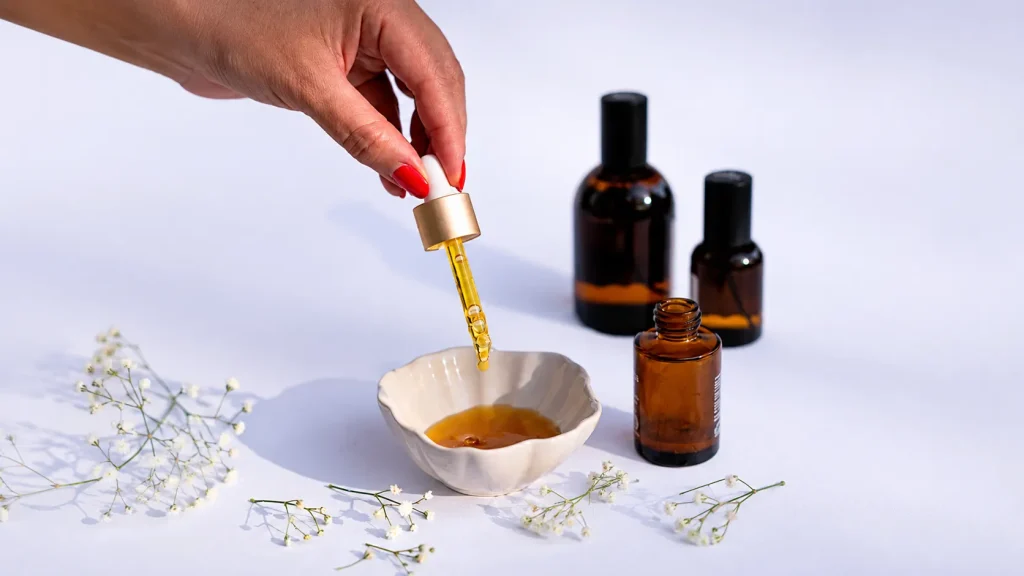
- Step 1: Melt the Ingredients – Add the following ingredients to a heat-safe bowl: Shea butter, Coconut oil, Almond oil, Beeswax. Heat the mixture using a double boiler until everything melts.
- Step 2: Cool for a few minutes – Remove the bowl from the heat and let the mixture cool for a few minutes. Do not allow it to harden.
- Step 3: Add Aloe Vera and Essential Oil – Mix in: Aloe vera gel, Lavender essential oil. Whisk until smooth.
- Step 4: Whip the Cream – Use a hand mixer to create a light, fluffy texture. This step makes the cream feel softer and more luxurious on the skin.
- Step 5: Store in a cool place – Transfer the cream into a clean glass jar and seal it. Store it in a cool, dry place.
How to Make Face Cream at Home
Learning how to make face cream at home becomes much easier once you understand the basics. Most homemade recipes need only a few ingredients and a little patience. One common mistake beginners make is trying complicated recipes right away. Simpler recipes usually work better in the beginning.
Easy Beginner Recipe
Ingredients
- 1 tablespoon coconut oil
- 1 tablespoon aloe vera gel
- 1 teaspoon vitamin E oil
Instructions
- Add all ingredients to a clean bowl.
- Mix until creamy.
- Transfer into a small airtight jar.
- Refrigerate after use.
This lightweight cream moisturizes daily and feels gentle on the skin.
Helpful Beginner Tips
- Always sanitize containers before use
- Make small batches first
- Store products away from direct sunlight
- Patch test new ingredients
Small habits like these improve both safety and product quality.
How to Make Homemade Face Cream for Dry Skin
Dry skin often feels rough, flaky, or tight. Rich natural ingredients help restore softness and improve moisture retention.
Best Ingredients for Dry Skin
- Shea butter
- Cocoa butter
- Avocado oil
- Almond oil
- Honey
These ingredients create a thicker cream. It protects the skin barrier and reduces moisture loss.
Nourishing Dry Skin Recipe
Ingredients
- 2 tablespoons shea butter
- 1 tablespoon avocado oil
- 1 teaspoon honey
- 1 teaspoon beeswax
Instructions
- Melt all ingredients.
- Stir until smooth.
- Let the mixture cool.
- Whip for a creamy texture.
This cream feels especially comforting during winter when dry skin becomes more noticeable.
How to Make Natural Face Cream for Oily Skin
People with oily skin sometimes avoid moisturizers. However, skipping moisturizer actually increases oil production. The solution is choosing lightweight natural ingredients.
Best Ingredients for Oily Skin
- Aloe vera gel
- Jojoba oil
- Rose water
- Tea tree oil
These ingredients hydrate the skin without creating heavy buildup.
Lightweight DIY Cream
Ingredients
- 2 tablespoons aloe vera gel
- 1 teaspoon jojoba oil
- 2 drops of tea tree oil
Instructions
- Mix all ingredients.
- Store in a small airtight jar.
- Apply only a thin layer.
This cream absorbs fast and leaves less greasy residue compared to heavier moisturizers.
Best Natural Oils for Homemade Face Cream
Natural oils form the base of most face creams, so choosing the right one matters.
Jojoba Oil
- Best For: Oily skin, Combination skin, Acne-prone skin
- Jojoba oil feels lightweight and absorbs fast.
Almond Oil
- Best For: Dry skin, Sensitive skin, Daily moisturizing
- It leaves the skin soft without feeling heavy.
Coconut Oil
- Best For: Very dry skin, Rough patches, Night creams
- Some people with acne-prone skin may find coconut oil too rich.
Rosehip Oil
- Best For: Mature skin, Uneven texture, Dullness
- Many people enjoy using rosehip oil in nighttime skincare routines.
Common Mistakes to Avoid
Homemade skincare works best when you avoid simple mistakes.
- Using Too Much Essential Oil: Essential oils carry strong concentrations. Using too much may irritate the skin. A few drops work well.
- Making Large Batches: Homemade creams spoil faster because they contain fewer preservatives. Small batches stay fresher and safer.
- Ignoring Hygiene: Dirty tools or wet fingers can introduce bacteria into the cream. Always use clean equipment and containers.
- Choosing the Wrong Oils: Heavy oils may clog pores for some skin types. Pay attention to how your skin reacts after each use.
- Skipping Patch Tests: Even natural ingredients can trigger irritation or allergic reactions. Always test a small amount first.
How to Store Homemade Face Cream
Storage affects freshness more than many beginners realize.
Best Storage Tips
- Use airtight glass jars
- Keep containers dry
- Avoid direct sunlight
- Store in cool places
Refrigeration Helps
Store aloe vera or water-based creams in the refrigerator. This keeps them fresh longer.
Shelf Life
Most homemade face creams last 1–3 weeks. It can last longer if refrigerated. If the smell, texture, or color changes, throw the cream away immediately.
Best Essential Oils for Face Cream
Essential oils improve both the scent and skincare benefits of homemade face cream.
Lavender Oil
Lavender oil feels calming and gentle for sensitive skin. Many people enjoy using it before bedtime because of its relaxing scent.
Tea Tree Oil
- Best For: Oily skin, Acne-prone skin, Blemishes
Rose Essential Oil
Rose oil adds a luxurious feel and supports dry skin.
Frankincense Oil
Many anti-aging skincare recipes include frankincense because it supports smoother-looking skin. Always use essential oils in small amounts only.
DIY Anti-Aging Face Cream Recipe
Natural anti-aging skincare often feels gentler than harsh chemical treatments.
Ingredients
- 2 tablespoons shea butter
- 1 tablespoon rosehip oil
- 1 teaspoon vitamin E oil
- 3 drops frankincense oil
Instructions
- Rose oil adds a luxurious feel and nourishes dry skin.
- Add the remaining ingredients.
- Mix well.
- Transfer to a glass jar.
This rich cream works especially well during nighttime skincare routines.
Signs Your Homemade Face Cream Is Working
Good skincare results take time, not overnight.
Positive Signs
- Softer skin
- Better hydration
- Less tightness
- Smoother texture
- Healthy glow
Consistency matters more than quick results. Many people notice the biggest improvements after several weeks of regular use.
FAQ
How long does homemade face cream last?
Ingredients determine shelf life. Most homemade face creams stay fresh for one to three weeks. Refrigeration extends this shelf life. Always check for changes in smell, texture, or color before applying the cream to your face.
Can I make face cream without beeswax?
Yes, you can make face cream without beeswax. Aloe vera gel, whipped shea butter, and natural oils can still create a smooth texture. The cream feels lighter. However, many people prefer this softer consistency for daily use.
Which oil works best for homemade face cream?
The best oil depends on your skin type. Jojoba oil works well for oily skin, while almond and avocado oils suit dry skin better. Sensitive skin responds best to gentle oils. Choose lightweight options without strong fragrances to avoid irritation.
Is homemade face cream good for sensitive skin?
Homemade face creams work well for sensitive skin since you control the ingredients. Gentle oils and fragrance-free recipes feel safer than scented commercial products. Always perform a patch test before full application.
Do homemade face creams need preservatives?
Small homemade batches do not need preservatives. Use small batches and store them in the fridge. Products with water or aloe vera spoil faster. Cleanliness and refrigeration are essential for safe use.
Conclusion
Making your own face cream gives you control over your skincare routine. Homemade creams allow you to choose ingredients that match your skin’s needs. Natural skincare provides effective results. It can deliver deep hydration, lightweight moisture, or gentle anti-aging support.
The best part is flexibility. You can adjust oils, butter, and textures until you find the perfect formula for your skin type.
You also do not need complicated equipment or expensive ingredients to get started. A few simple natural products can create beautiful results.
Many people begin homemade skincare as a small experiment. However, it soon becomes part of their routine. Once you feel how soft and fresh homemade cream is, going back to processed products is difficult.
