
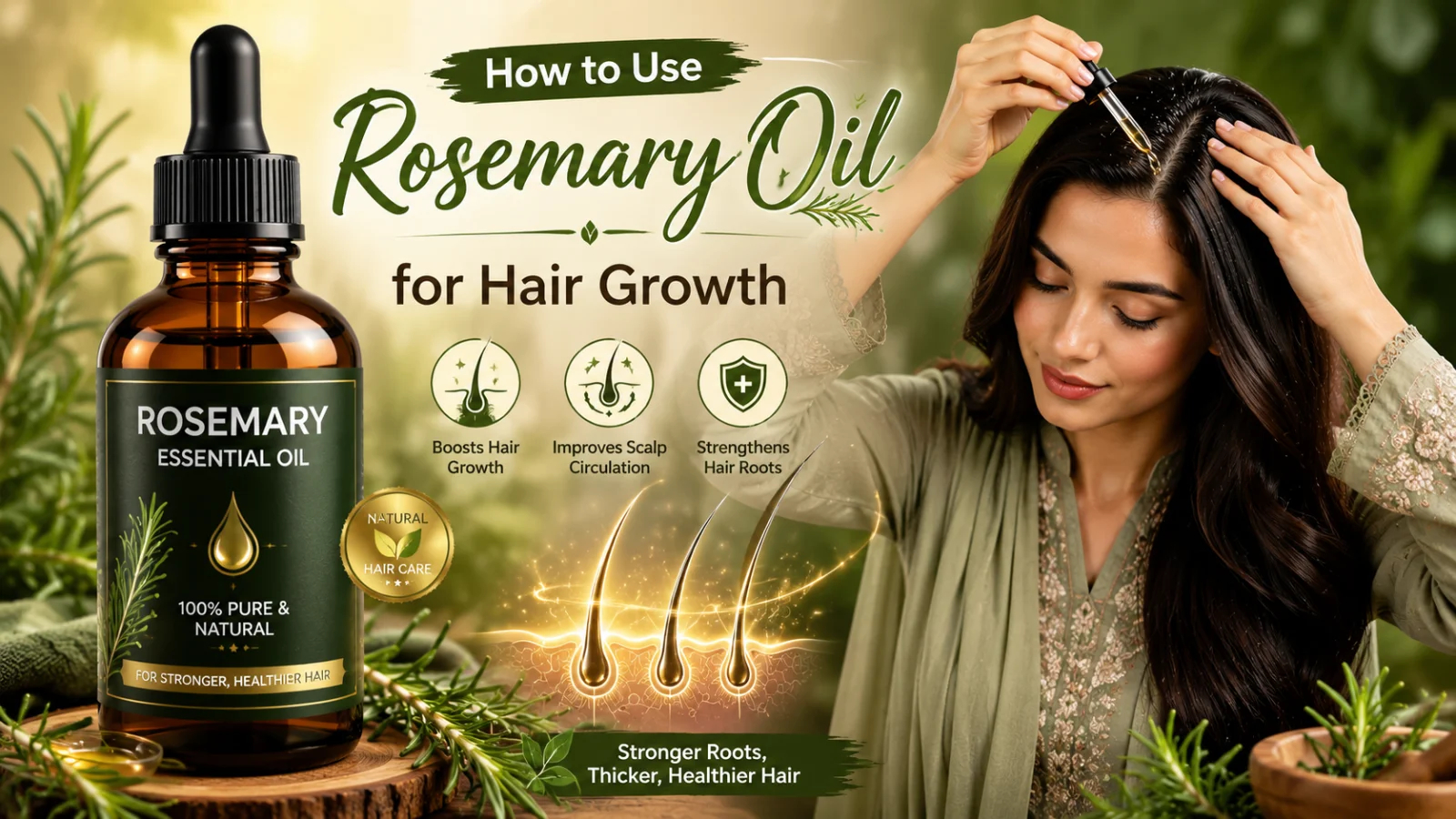

How to Use Rosemary Oil for Hair Growth. Hair loss is one of those problems that sneaks up on you quietly — until one day you notice more strands in your brush than usual, or your ponytail feels noticeably thinner than it used to. It’s frustrating, and if you’ve been searching for a natural solution that actually works, you’ve probably come across rosemary oil more than once.
Here’s the thing — rosemary oil is far more than just a trend. A well-respected 2015 clinical study found that it performed just as well as minoxidil, the leading pharmaceutical hair loss treatment, after six months of consistent use. No harsh chemicals. No scalp irritation. Just a plant-based oil backed by real research.
But results only come when you use it correctly. Most people either skip the dilution step, apply it to the wrong area, or quit before the results show up. This guide is going to fix all of that. You’ll learn exactly how to use rosemary oil for hair growth — the right way, from start to finish.
How to Use Rosemary Oil for Hair Growth Properly.Benefits of Rosemary Oil for Hair Growth
Before jumping into the application steps, it helps to understand why rosemary oil works so well. Once you know what’s happening beneath the surface, you’ll be far more motivated to stick with the routine.
It Stimulates Scalp Circulation
Rosemary oil contains an active compound called 1,8-cineole, which improves blood flow to the scalp when massaged in. Better circulation means more oxygen and nutrients reach your hair follicles — and that’s exactly what they need to produce stronger, faster-growing hair.
It Blocks DHT — A Major Cause of Hair Loss
DHT (dihydrotestosterone) is a hormone that gradually shrinks hair follicles until they eventually stop producing hair altogether. This is the primary driver behind pattern hair loss in both men and women. Rosemary oil contains compounds that may help inhibit DHT’s effect on the scalp, slowing down shedding and giving dormant follicles a better chance of reactivating.
How often to use Rosemary Oil for Hair Growth. It Keeps Your Scalp Healthy
A healthy scalp is the foundation of healthy hair. Rosemary oil has natural anti-inflammatory and antimicrobial properties that help reduce dandruff, calm irritation, and keep the scalp clean — creating the ideal environment for consistent hair growth.
How to Use Rosemary Oil for Hair Growth — Step by Step
This is the most important section of the guide. Follow these steps carefully, especially if you’re just getting started.
Step 1: Always Dilute First
Rosemary oil is a highly concentrated essential oil. Applying it directly to your scalp without diluting it can cause burning, redness, and irritation. This step is non-negotiable.
The right ratio: Mix 4 to 5 drops of rosemary essential oil with 1 tablespoon of carrier oil. That’s enough to be effective without overwhelming your scalp.
Step 2: Choose the Right Carrier Oil
Your carrier oil matters more than most people realize. Here’s a simple breakdown of the best options:
- Jojoba oil — closely mimics your scalp’s natural sebum, absorbs quickly, and leaves no greasy residue. Great for all hair types, especially oily scalps.
- Coconut oil — deeply nourishing and rich in vitamins. Best for dry or damaged hair, used as an occasional deep treatment.
- Castor oil — thick and slow to absorb, but rich in ricinoleic acid that supports scalp circulation on its own. Mix it with a lighter oil to avoid heaviness.
- Argan oil — lightweight and packed with vitamin E. A great choice if you want hair growth and smoother, shinier strands.
Beginner tip: Start with jojoba or coconut oil. They’re easy to find, affordable, and simple to work with.
Step 3: Apply Directly to the Scalp
This is where most people go wrong — they apply the oil to their hair strands instead of the scalp. Hair growth happens at the root, so that’s where the oil needs to go.
Here’s the correct method:
- Part your hair into sections to fully expose the scalp.
- Apply the oil mixture with your fingertips along each section directly onto the scalp.
- Work systematically from the front of your hairline to the back.
- Pay extra attention to areas where thinning is most noticeable.
Step 4: Massage for 5 to 10 Minutes
Don’t skip this step — it’s doing a significant portion of the work. Scalp massage increases blood flow independently of the oil, which amplifies the overall benefits considerably.
Use slow, circular motions with your fingertips and apply gentle but firm pressure. Five to ten minutes is all you need, and most people find it genuinely relaxing once they make it a habit.
Pro tip: Warm the oil slightly before applying by placing your bowl in warm water for a minute. Warm oil absorbs more easily and makes the whole experience much more enjoyable.
Step 5: Leave It On, Then Rinse
You have two good options here — both are effective:
- 30-minute treatment: Leave the oil on for 30 minutes, then wash it out with a gentle, sulfate-free shampoo. Quick, effective, and perfect for a mid-week session.
- Overnight treatment: Apply before bed, cover your hair with a silk cap or an old pillowcase, and wash it out in the morning. This allows for deeper absorption and tends to produce better results — especially for those dealing with significant thinning.
Best Rosemary Oil for Hair Growth. How Often Should You Use Rosemary Oil
Consistency matters far more than intensity when it comes to rosemary oil. Aim for 2 to 3 times per week for hair growth. That’s enough to build real, cumulative results over time without causing product buildup on the scalp.
You can also add 4 to 5 drops of rosemary oil directly to your shampoo bottle as an easy, low-effort way to work it into your existing wash routine.
When will you see results? Most people notice a reduction in shedding around weeks 6 to 8. Visible new growth typically appears by the 3-month mark. If you quit after two weeks because nothing seems to be happening, you’re stopping right before the results arrive.
Common Mistakes to Avoid
Even the best oil won’t deliver results if your habits are working against you. Here are the most common mistakes to watch out for:
- Using undiluted rosemary oil. Always dilute — even one or two undiluted drops applied to the scalp can cause irritation or burning.
- Applying to hair strands instead of the scalp. Growth happens at the root. Make sure the oil is reaching the scalp, not just coating your hair.
- Giving up too early. Hair growth is a slow process. Commit to at least 90 days before evaluating whether it’s working.
- Buying low-quality or synthetic oil. Look for 100% pure rosemary essential oil (Salvia rosmarinus) with no fillers, artificial fragrances, or additives.
- Skipping the massage. Simply pouring oil on your scalp and leaving it isn’t the same as massaging it in. The physical stimulation is a key part of the process.
Best Rosemary Oil Products for Beginners
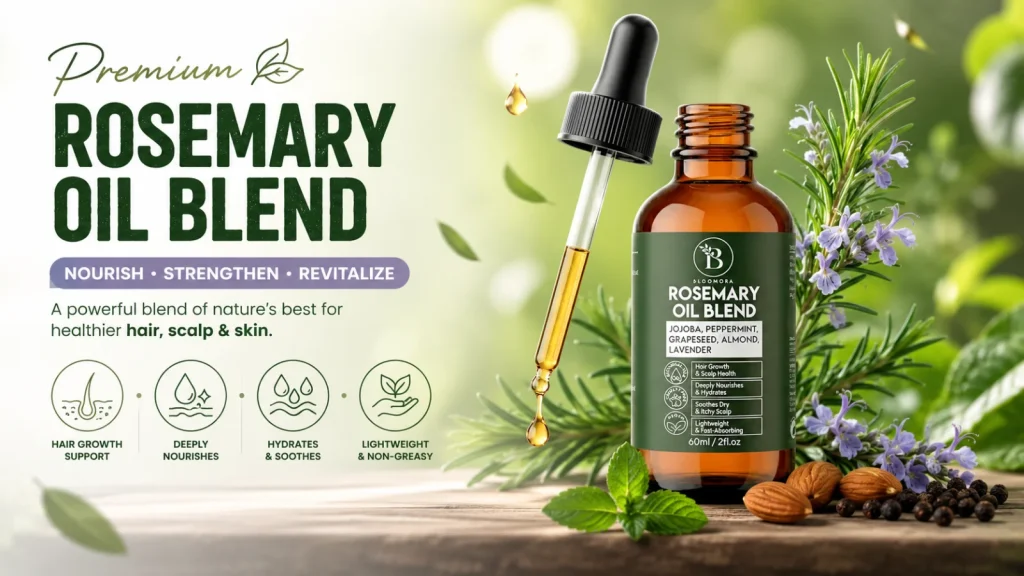
Not sure which product to start with? Here are three beginner-friendly picks that consistently get great reviews:
1. Mielle Organics Rosemary Mint Scalp & Hair Strengthening Oil. Already pre-diluted and ready to apply straight from the bottle — no mixing required. Perfect for beginners who want a hassle-free experience. It absorbs easily and smells wonderful.
2. Handcrafted Blends 100% Pure Rosemary Essential Oil: A high-quality, undiluted rosemary oil that you mix yourself with your preferred carrier oil. Excellent value and a bottle that lasts for months.
3. Majestic Pure Rosemary Essential Oil: A pure, therapeutic-grade rosemary oil at a very affordable price point. A reliable everyday option for anyone who wants to stay consistent without spending a lot.
Frequently Asked Questions
Q1: Can I use rosemary oil every day? Daily use isn’t recommended for most people. Using it two to three times a week gives your scalp enough time to benefit without causing buildup or follicle overload.
Q2: How long does rosemary oil take to show results? Most users notice reduced hair fall within 6 to 8 weeks and visible new growth by the 3-month mark with consistent use.
Q3: Can I leave rosemary oil in my hair overnight? Yes — overnight treatments are actually one of the most effective methods. Just make sure to dilute it properly, cover your hair, and wash it out thoroughly in the morning.
Q4: Is rosemary oil safe for color-treated hair? Yes. Rosemary oil is gentle enough for color-treated hair and won’t affect your hair color. It can actually help strengthen chemically processed strands, which tend to be more fragile.
Q5: What if my scalp feels irritated after use? Reduce the number of rosemary oil drops in your blend and increase the amount of carrier oil. If irritation persists after adjusting the ratio, stop using it and consult a dermatologist.
Learning how to use rosemary oil for hair growth really comes down to three things: diluting it properly, applying it consistently to the scalp, and giving it enough time to work.
This isn’t a quick fix. It’s a long-term habit that builds real results gradually. But once those results show up — less shedding, stronger strands, new growth where there wasn’t any before — you’ll understand exactly why so many people swear by it.
Keep it simple, stay consistent, and be patient. Your hair is worth the wait.
Have questions about rosemary oil or want to share your experience? Drop a comment below — I’d love to hear how it’s going for you!
