
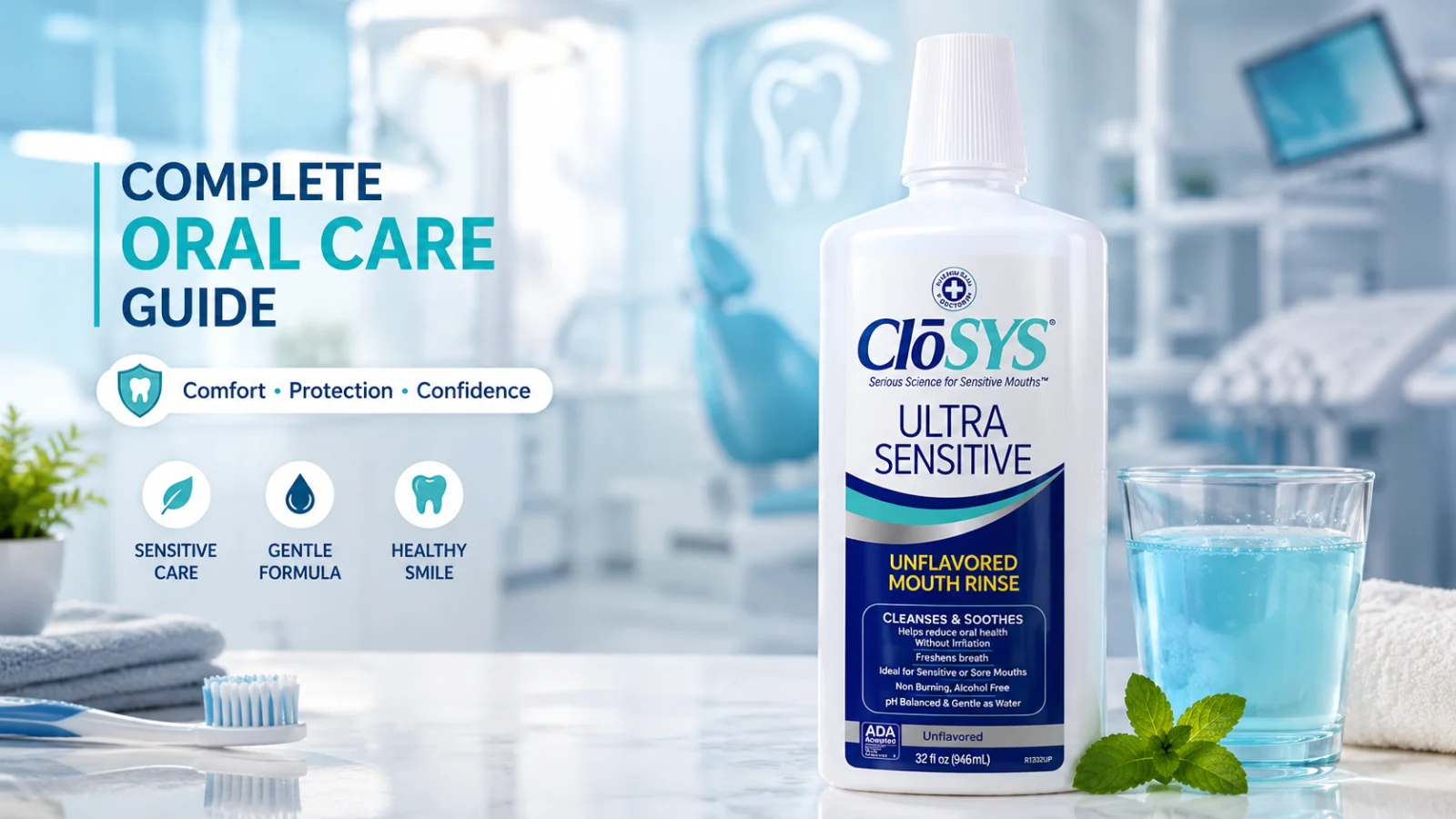

Why does mouthwash burn? This is a common question many people ask after feeling a strong sensation while rinsing. Some people feel fresh after using it, while others may feel discomfort in their mouth.
A burning sensation does not always mean something is wrong. Some mouth rinses contain strong ingredients that create a powerful feeling. However, choosing the right oral care products can make your routine more comfortable.
A good Complete Oral Care Guide is not only about using mouthwash. It also means brushing, flossing, cleaning your tongue, and caring for your mouth.
Everyone’s mouth reacts differently. A formula that feels comfortable for one person may feel too strong for another. The goal is to find a routine that keeps your mouth fresh without causing discomfort.
This guide explains why mouthwash burns, how to use it safely, and how to choose a good one.
Why does mouthwash burn
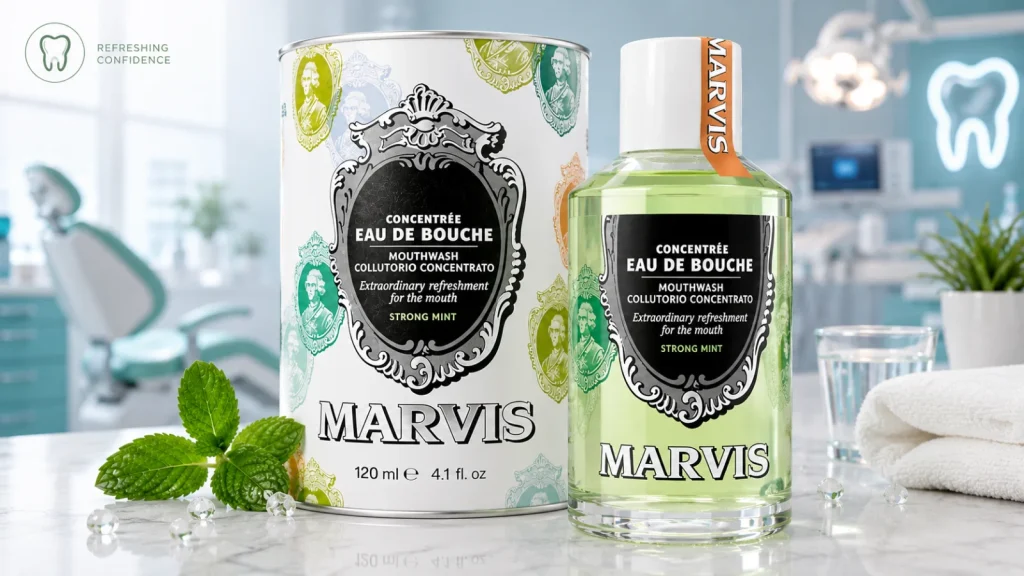
Many people notice a burning feeling after using mouthwash. This happens because some ingredients can make your mouth feel a strong sensation.
One common reason is alcohol. Some mouthwashes feel strong because they can make your mouth feel warm or different.
Other ingredients that may make mouthwash feel stronger include:
- Strong-flavor oils
- Mint ingredients
- Cleaning agents
- Certain active ingredients
Some people enjoy this feeling because they think it means the product is working. However, a strong feeling does not always mean better cleaning.
Mouthwash may burn if your mouth reacts to certain ingredients. Dry mouth, small irritations, or using too much product can also make the feeling stronger.
The difference between a strong feeling and actual irritation is important. A fresh feeling is normal, but long-lasting discomfort means this product may not suit you.
Why Does Mouthwash Burn? Is Burning From Mouthwash Normal?
A mild burning feeling can happen when you try a new mouth rinse. Some people experience this because their mouth needs time to adjust.
A strong flavor or cooling effect can feel unusual at first. If it stops quickly and your mouth feels fine, it may be a normal effect of the mouthwash.
However, you may want to stop using a product if you notice:
- Long-lasting discomfort
- Dry mouth feeling
- Mouth soreness
- Increased sensitivity
- Unpleasant irritation
Your oral care routine should feel comfortable. If a product makes your mouth uncomfortable, look for a gentler choice.
People who dislike strong mouthwash may prefer an alcohol-free option. The best choice depends on your personal comfort and daily needs.
Complete Oral Care Guide: Understanding Mouthwash Ingredients
Understanding what is inside your mouthwash can help you choose the right option.
Different ingredients create different experiences. Some focus on freshness, while others support specific oral care needs.
Common Mouthwash Types
Type
How it feels
Best for
Alcohol-based: Strong rinse for people who like a stronger feel.
Alcohol-free: Soft rinse for sensitive mouths.
Fluoride rinse: Helps protect teeth and keep your mouth clean.
Alcohol-Based Mouthwash
Alcohol-based formulas often create a stronger feeling. Some users like this because it feels refreshing.
It may feel uncomfortable for people with a dry or sensitive mouth.
Alcohol-Free Mouthwash
An alcohol-free mouthwash usually feels milder. Many people choose it because it feels more comfortable for regular use.
Fluoride and Essential Oils
Some rinses include fluoride or essential oils. These ingredients may support a fresh mouth feeling as part of a balanced routine.
A good oral care guide helps you choose the right product, not just the strongest one. Comfort and consistency matter more.
How to Use Mouthwash Without Burning Your Mouth
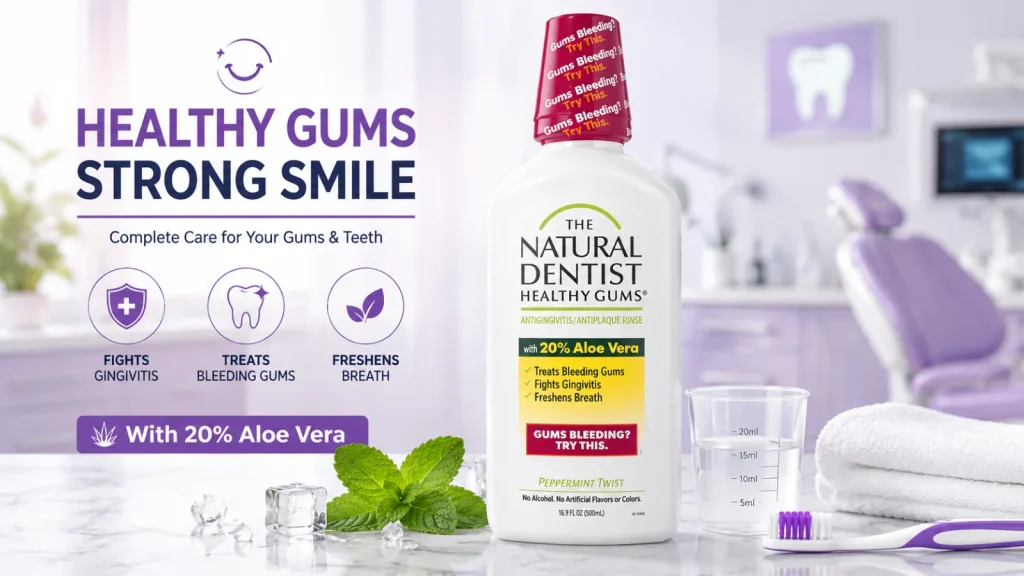
Using mouthwash the right way can make your experience much better. Many people use too much or rinse incorrectly.
Follow these simple steps:
- Read the product instructions.
- Use the recommended amount.
- Swish gently around your mouth.
- Do not swallow the rinse.
- Spit it out after the suggested time.
Helpful tips:
- Do not use more than needed.
- Avoid rinsing too aggressively.
- Choose a formula that feels comfortable.
- Keep brushing and flossing as your main habits.
Using extra mouthwash will not always give better results. A simple routine works best when you follow it regularly.
If you feel burning, choose a different mouthwash or use it less.
Complete Oral Care Guide: Choosing the Right Mouthwash
Choosing a mouthwash can feel confusing because there are many options available. Beginners should focus on comfort and their personal oral care needs.
Before choosing a product, consider:
- Does your mouth feel sensitive?
- Do you prefer a mild or strong taste?
- Do you want daily freshness?
- Does your mouth feel dry after use?
Sensitive mouth users often prefer gentle formulas. Others may enjoy stronger rinses.
Some people prefer to avoid ingredients that create a strong feeling. Reading the label helps you understand what you are using.
A healthy routine is easier to follow when it feels comfortable. The best mouthwash is one you can use regularly without discomfort.
Your oral hygiene routine should support your lifestyle, not make it difficult.
Pros and Cons of Using Mouthwash
Mouthwash can be a helpful addition to daily care. However, it also has some possible downsides.
Pros
- Helps freshen breath
- Reaches areas that brushing may miss
- Supports a daily oral hygiene routine
- Helps create clean mouth habits
- Easy and convenient to use
Cons
- Some people may feel a burning sensation.
- Strong formulas can feel uncomfortable.
- Some types may create a dry mouth feeling.
- Overuse may irritate the mouth.
- It does not replace brushing and flossing.
Pros
Cons
Freshens breath. May feel too strong. Easy to add to routine. Possible mouth irritation. Reaches hard-to-clean areas. Not a replacement for brushing. Supports oral care habits. Some formulas may feel uncomfortable
Mouthwash works best as a supporting step. Brushing and flossing should remain the foundation of your routine.
Can Mouthwash Damage Your Oral Health?

Mouthwash can be useful, but balance matters. Using too much or choosing a formula that does not suit you may create problems.
Some people experience:
- Dry mouth feeling
- Temporary irritation
- Strong taste discomfort
This does not mean all mouthwash is harmful. It simply means your choice and usage matter.
A good oral routine includes different habits working together:
- Brush twice daily
- Floss regularly
- Clean your tongue
- Drink enough water
Mouthwash is one part of healthy mouth care. It should support your routine, not replace basic habits.
Complete Oral Care Guide: Simple Habits for a Healthy Mouth
A healthy mouth comes from small daily actions.
Simple habits include:
- Brush your teeth twice daily.
- Clean your tongue regularly.
- Drink enough water
- Choose tooth-friendly foods
- Maintain healthy mouth habits.
- Visit a dentist for regular checkups.
These habits help your mouth feel cleaner and fresher.
Products are helpful, but daily habits are very important too. A simple routine is easier to keep.
Your oral care routine should be easy, comfortable, and fit your daily life.
Frequently Asked Questions
Q1:Why does mouthwash burn my tongue?
Mouthwash can burn your tongue because of strong ingredients or flavors. If your tongue is sensitive, it may feel worse. Try a gentle mouthwash if the feeling continues.
Q2:Is mouthwash supposed to burn?
Mouthwash does not burn for everyone. Some products feel strong, but they should not hurt your mouth. Choose one that feels comfortable for daily use.
Q3:Should I stop using mouthwash if it burns?
If the burning feeling is strong or lasts for a long time, it may be better to stop and try another option. A fresh feeling is okay, but ongoing discomfort means you may need another product.
Q4:Is alcohol-free mouthwash better?
Alcohol-free mouthwash can feel gentler for people who dislike strong rinses. It may be a better choice for sensitive mouths. The right choice depends on your needs and what feels good in your mouth.
Q5:How often should I use mouthwash?
Many people use mouthwash once or twice daily as part of their routine. Follow the product instructions and avoid overusing it. Brushing, flossing, and healthy habits help keep your mouth healthy.
Mouthwash may feel strong because of what it contains. Understanding why a mouth rinse feels strong can help you choose a product that fits your needs.
The right mouthwash should support your routine without making your mouth uncomfortable. Always focus on balance and use products correctly.
A Complete Oral Care Guide is about building simple habits that protect your mouth every day. Brush regularly, take care of your mouth, and use a comfortable mouthwash for a healthy smile.
