
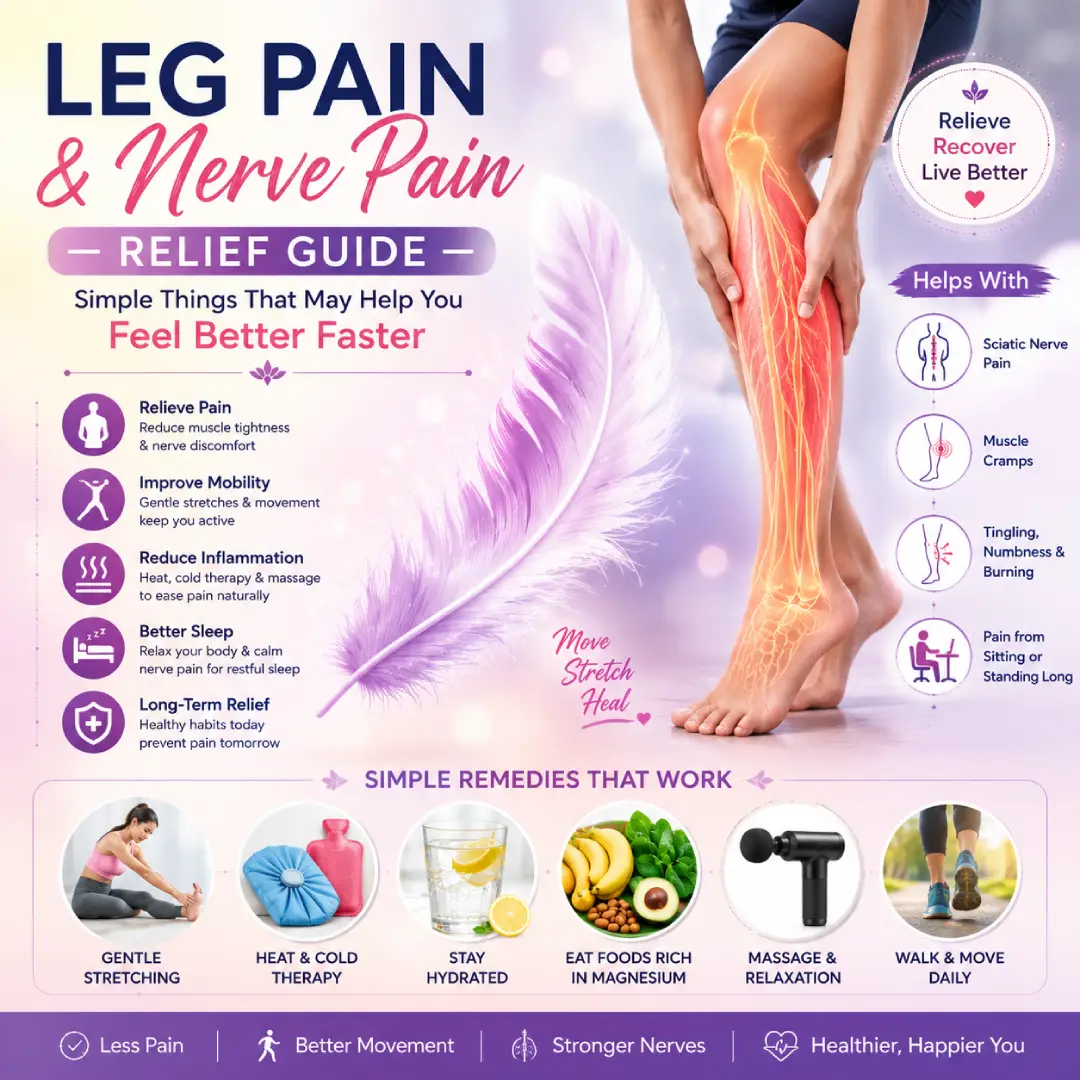

Leg pain can make everyday life feel harder than it should. Sometimes it starts after walking too much or standing all day. Other times, it shows up out of nowhere. One day your legs feel fine. The next day, they feel tight, sore, heavy, or even burning. If you’re looking for effective leg pain relief, understanding what may be causing your discomfort is the first step toward feeling better.
If you’re looking for leg pain relief understanding what may be causing the pain is an important first step. For some people, the pain comes and goes.
For others, it sticks around for weeks and starts affecting sleep, work, exercise, and even simple things like climbing stairs or getting out of bed.
And when nerve pain gets involved, things can feel even worse. That sharp, shooting, tingling feeling can be hard to ignore.
That’s why many people search for things like:
• how to relieve nerve pain in leg
• how to relieve sciatic nerve pain
• how to reduce leg pain immediately
• how to stop muscle cramps fast
Most people are not looking for complicated medical terms. They just want relief that actually helps.
The good news is that many types of leg pain improve with simple habits, gentle movement, home remedies, and a few helpful products.
This guide explains everything in simple language so it’s easier to understand and easier to follow.
What Causes Leg Pain?
Leg pain can happen for a lot of different reasons.
Sometimes it’s caused by muscles. Sometimes nerves are involved. In other cases, poor circulation, dehydration, or posture problems may play a role.
The type of pain you feel often gives clues about what’s happening.
Muscle Pain
Muscle pain usually feels like:
• Tightness
• Cramping
• Soreness
• Aching
• Fatigue
• Throbbing
This kind of pain often happens after:
• Exercise
• Standing too long
• Long walks
• Dehydration
• Poor sleep
• Muscle overuse
Most muscle pain improves with rest, stretching, hydration, and gentle movement.
Nerve Pain
Nerve pain feels very different from regular muscle soreness.
People often describe it as:
• Burning
• Tingling
• Numbness
• Sharp pain
• Electric-like sensations
• Pins and needles
Nerve pain may travel down the leg and sometimes gets worse while sitting or lying down.
Sciatica is one of the most common causes of this type of pain.
Understanding Sciatic Nerve Pain
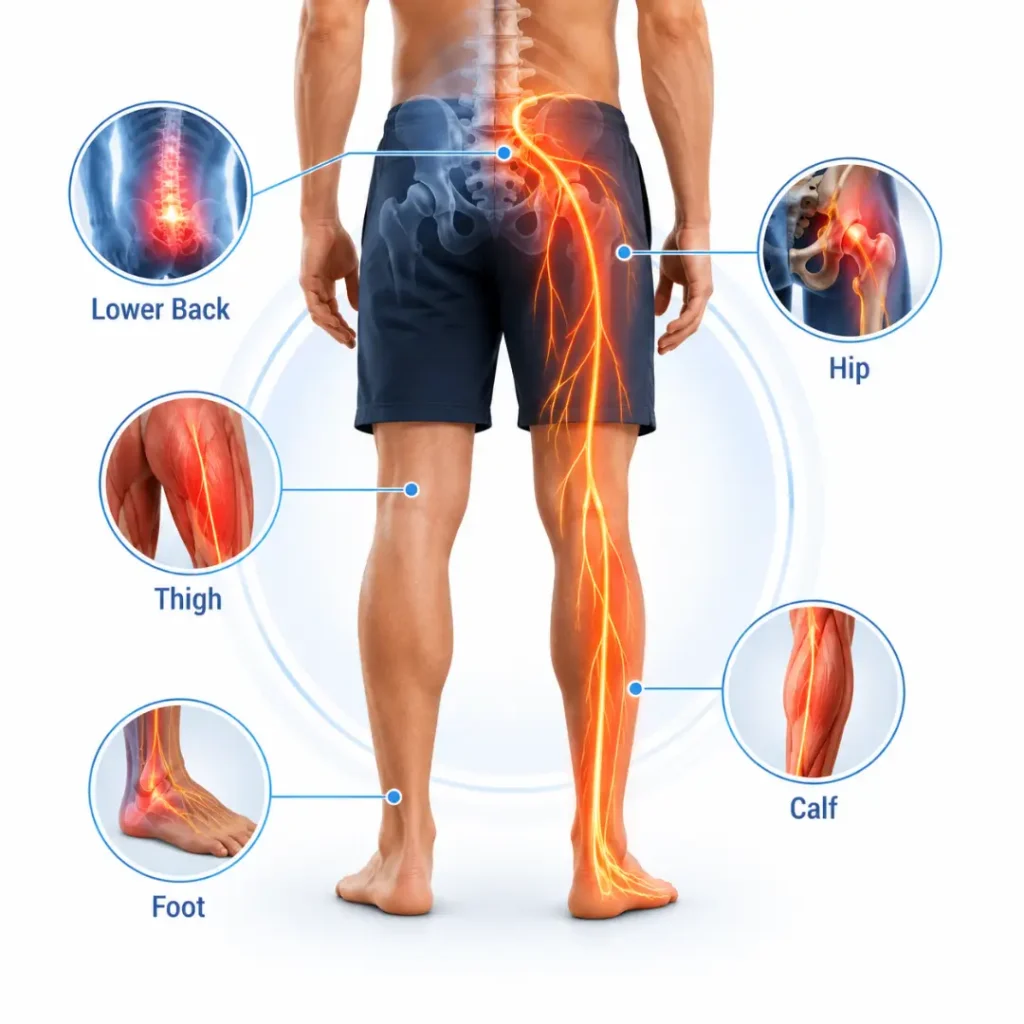
Sciatic nerve pain happens when the sciatic nerve becomes irritated or compressed.
The sciatic nerve runs from the lower back down through the hips and legs. When pressure affects that nerve, pain can travel through one side of the body.
Some people feel mild discomfort.
Others feel severe pain that makes walking or sleeping difficult.
That’s why so many people search online for how to relieve sciatic nerve pain quickly.
Common Causes of Sciatica
A few common causes include:
• Herniated discs
• Poor posture
• Sitting too long
• Tight muscles
• Back injuries
• Pregnancy
• Inflammation around the spine
The good news is that many mild cases improve with movement, stretching, and proper self-care.
How to Relieve Nerve Pain in Leg Naturally
When nerve pain starts, most people want fast relief.
And honestly, that makes sense.
Pain affects your mood, sleep, and energy levels very quickly.
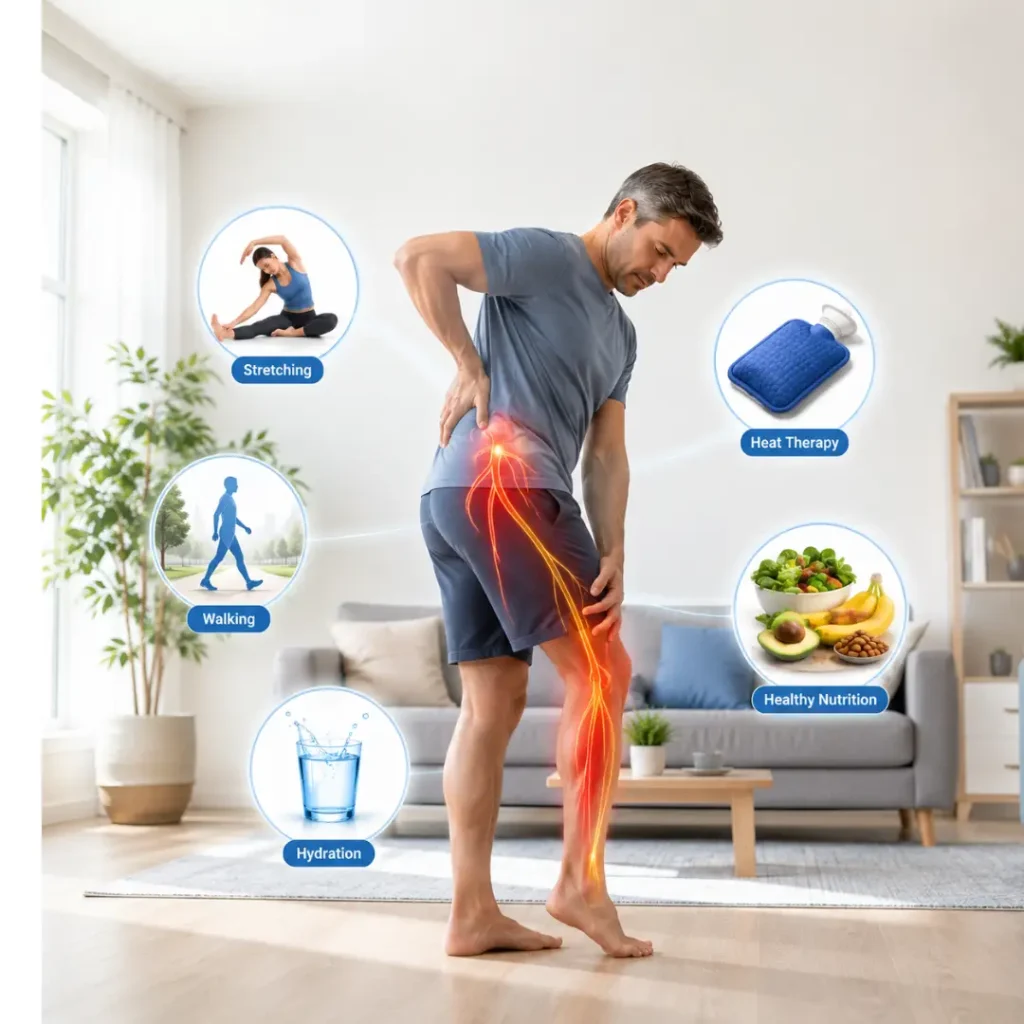
The best approach usually includes a mix of:
• Gentle movement
• Reducing inflammation
• Relaxing tight muscles
• Improving circulation
• Supporting the lower back and hips
Small changes often help more than people expect.
Heat and Cold Therapy Can Help
Heat and cold therapy are simple, but they work well for many people.
The trick is using the right one at the right time.
Cold Therapy for Sharp Pain
Cold packs may help reduce swelling and numb sharp pain.
This is especially helpful during the first day or two after pain starts.
Try this:
• Wrap ice in a towel
• Apply for 15 to 20 minutes
• Repeat a few times a day if needed
Do not place ice directly on the skin.
Heat Therapy for Tight Muscles
Heat works better for stiffness and muscle tension.
A heating pad or warm bath may help muscles relax around irritated nerves.
Many people feel better after using:
• Heating pads
• Warm showers
• Heat wraps
• Hot water bottles
Some people switch between heat and cold depending on how their body feels.
Gentle Stretching Often Helps More Than Bed Rest
A lot of people stop moving completely when pain starts.
That sounds helpful at first, but staying in bed too long may actually make stiffness worse.
Gentle movement usually helps the body recover faster.
Best Stretches for Leg and Nerve Pain
Simple stretches that may help include:
• Hamstring stretches
• Calf stretches
• Piriformis stretches
• Hip stretches
• Lower back stretches
Move slowly.
Do not force painful movements.
A gentle stretch should feel relieving, not sharp or intense. Even small changes, like gentle stretching and proper rest, can provide natural leg pain relief
Even 5 to 10 minutes daily may help reduce tension over time.
Walking Helps Improve Blood Flow
Walking sounds almost too simple, but it genuinely helps many people.
Short walks may:
• Improve circulation
• Reduce stiffness
• Loosen tight muscles
• Prevent the body from becoming too stiff
You do not need hard workouts.
Even a slow walk around the house or outside for 10 to 15 minutes may help.
This is especially useful for people searching for how to reduce leg pain immediately after sitting too long.
Massage May Help Tight Muscles Relax
Tight muscles can place extra pressure on nerves.
Massage may help reduce that tension.
Some people use professional massage therapy, while others prefer simple tools at home.
Popular options include:
• Foam rollers
• Massage guns
• Handheld massagers
• Compression sleeves
These tools may not fix the root problem, but they often provide temporary relief and comfort.
How to Get Rid of Leg Pain Immediately at Home
Sometimes you just want the pain to calm down quickly.
There’s no instant cure for every type of pain, but a few simple things often help.

Elevate Your Legs
Raising your legs slightly may improve circulation and reduce swelling. Finding the right leg pain relief can help you get back to your daily routine.
This helps especially after:
• Standing all day
• Long travel
• Exercise
• Walking for long periods
Try placing a pillow under your legs while resting.
Drink More Water
Dehydration affects muscles more than many people realize.
Low hydration may contribute to:
• Muscle cramps
• Tightness
• Soreness
• Fatigue
If you regularly deal with cramps, water intake is worth paying attention to.
Eat Magnesium-Rich Foods
Low magnesium levels may sometimes make cramps worse.
Foods rich in magnesium include:
• Bananas
• Spinach
• Almonds
• Pumpkin seeds
• Avocados
Some people also use magnesium supplements or magnesium creams.
How to Stop Leg Cramps Immediately Home Remedies
Leg cramps can feel incredibly painful.
They often happen suddenly, especially at night.
One moment you’re asleep. The next moment your calf muscle feels completely locked up.
If you want to know how to stop leg cramps immediately home remedies may help faster than expected.
Stretch the Cramped Muscle
For calf cramps:
• Straighten the leg slowly
• Pull your toes gently upward
• Hold for several seconds
Stretching often helps the muscle relax.
Massage the Area
Rubbing the muscle gently may improve circulation and reduce tightness.
Do not press too hard.
Apply Warmth
Heat often relaxes cramped muscles quickly.
You can try:
• Warm towels
• Heating pads
• Warm baths
Stay Hydrated Throughout the Day
Many cramps are linked to dehydration or low electrolytes.
Drinking enough fluids daily may help prevent cramps from happening so often.
How to Stop Muscle Cramps Fast
Muscle cramps may happen after workouts, dehydration, or sitting too long.
Quick relief methods include:
• Gentle stretching
• Walking slowly
• Applying heat
• Drinking water
• Using electrolyte drinks if needed
Some people also find magnesium helpful, especially for nighttime cramps.
Best Products That May Help With Leg Pain Relief
Some products can make pain management easier at home.
They are not miracle cures, but they may improve comfort and recovery.
Heating Pads
Heating pads are one of the most popular options for muscle tension and nerve discomfort.
They may help:
• Relax tight muscles
• Improve blood flow
• Reduce stiffness
• Make movement easier
Electric heating pads with adjustable settings are especially convenient.
Compression Sleeves
Compression sleeves may support circulation and reduce swelling.
People often use them for:
• Calf pain
• Standing-related soreness
• Muscle fatigue
• Recovery after workouts
Many people who stand all day at work find them helpful.
Massage Guns
Massage guns became very popular over the last few years.
They may help loosen tight muscles and reduce soreness after activity.
Still, avoid aggressive pressure directly over painful nerves.
Orthopedic Cushions and Seat Supports
Sitting for long periods can worsen sciatic nerve pain.
Supportive cushions may help reduce pressure on the lower back and hips.
This can be especially useful for people with desk jobs.
Topical Pain Relief Creams
Pain relief creams may provide temporary comfort for mild soreness.
Common ingredients include:
• Menthol
• Lidocaine
• Arnica
• Capsaicin
These products usually help muscle discomfort more than severe nerve pain.
Lifestyle Habits That Help Prevent Leg Pain
Daily habits matter more than most people think.
Small changes often make a big difference over time.
Move More Often
Sitting too long tightens muscles and irritates nerves.
Try to:
• Stand every hour
• Stretch regularly
• Walk during breaks
Even small movement breaks help.
Wear Supportive Shoes
Shoes affect posture, balance, and pressure on the legs.
Unsupportive shoes may worsen pain over time.
Comfort matters more than style when your legs already hurt.
Improve Sleep Position
Sleep posture affects the lower back more than many people realize.
Some people feel better when they:
• Sleep with a pillow under the knees
• Place a pillow between the legs
• Avoid sleeping in twisted positions
These small changes may reduce pressure on the lower back and hips.
Maintain a Healthy Weight
Extra body weight may increase pressure on joints, muscles, and nerves.
Even small lifestyle improvements may help reduce strain on the lower body.
Foods That Support Muscle and Nerve Health
Nutrition plays a bigger role in muscle health than people often realize.
Helpful nutrients include:
Magnesium
Supports muscle relaxation.
Potassium
Helps muscles work properly.
Vitamin B12
Supports healthy nerves.
Omega-3 Fatty Acids
May help reduce inflammation.
Foods like fish, eggs, leafy greens, nuts, bananas, and seeds are often beneficial.
Common Mistakes People Make With Leg Pain
Sometimes people accidentally make pain worse.
Common mistakes include:
• Staying in bed too long
• Ignoring posture
• Wearing poor shoes
• Not drinking enough water
• Exercising too hard too soon
• Depending only on pain medication
Usually, gentle movement and consistency work better than extreme approaches.
Can Stress Make Nerve Pain Worse?
Surprisingly, yes.
Stress causes muscles to tighten and may increase pain sensitivity.
A lot of people notice their pain feels worse during stressful periods.
Simple relaxation habits may help, including:
• Deep breathing
• Walking
• Stretching
• Warm baths
• Better sleep habits
Stress management may not sound important, but it often helps more than expected.
When You Should See a Doctor
Home remedies help many mild cases of leg pain.
But some symptoms should not be ignored.
Speak with a doctor if you notice:
• Severe swelling
• Sudden weakness
• Trouble walking
• Fever
• Pain after injury
• Numbness that gets worse
• Pain lasting several weeks
Conditions like blood clots, nerve damage, or circulation problems need professional treatment.
Creating a Simple Leg Pain Relief Routine at Home
Many people get overwhelmed trying too many treatments at once.
Simple routines usually work best.
Here’s an example:
Morning
• Gentle stretching
• Drink water
• Short walk
Afternoon
• Avoid sitting too long
• Wear supportive shoes
• Take movement breaks
Evening
• Heating pad
• Relaxing stretches
• Massage or foam rolling
Consistency matters more than perfection.
Final Thoughts
Leg pain and nerve pain can feel frustrating, exhausting, and sometimes scary.
But many people improve through simple habits, gentle movement, stretching, better posture, hydration, and supportive products.
If you’ve been searching for how to relieve nerve pain in leg, how to get rid of lower leg pain immediately, or how to stop muscle cramps fast, start with small consistent changes instead of expecting overnight results.
A heating pad, daily walks, stretching, supportive shoes, or drinking more water may sound basic, but these habits often help more than people realize.
And if the pain becomes severe, persistent, or affects your ability to walk normally, it’s always a good idea to speak with a healthcare professional.
Taking care of leg pain early is usually much easier than ignoring it for months.
