
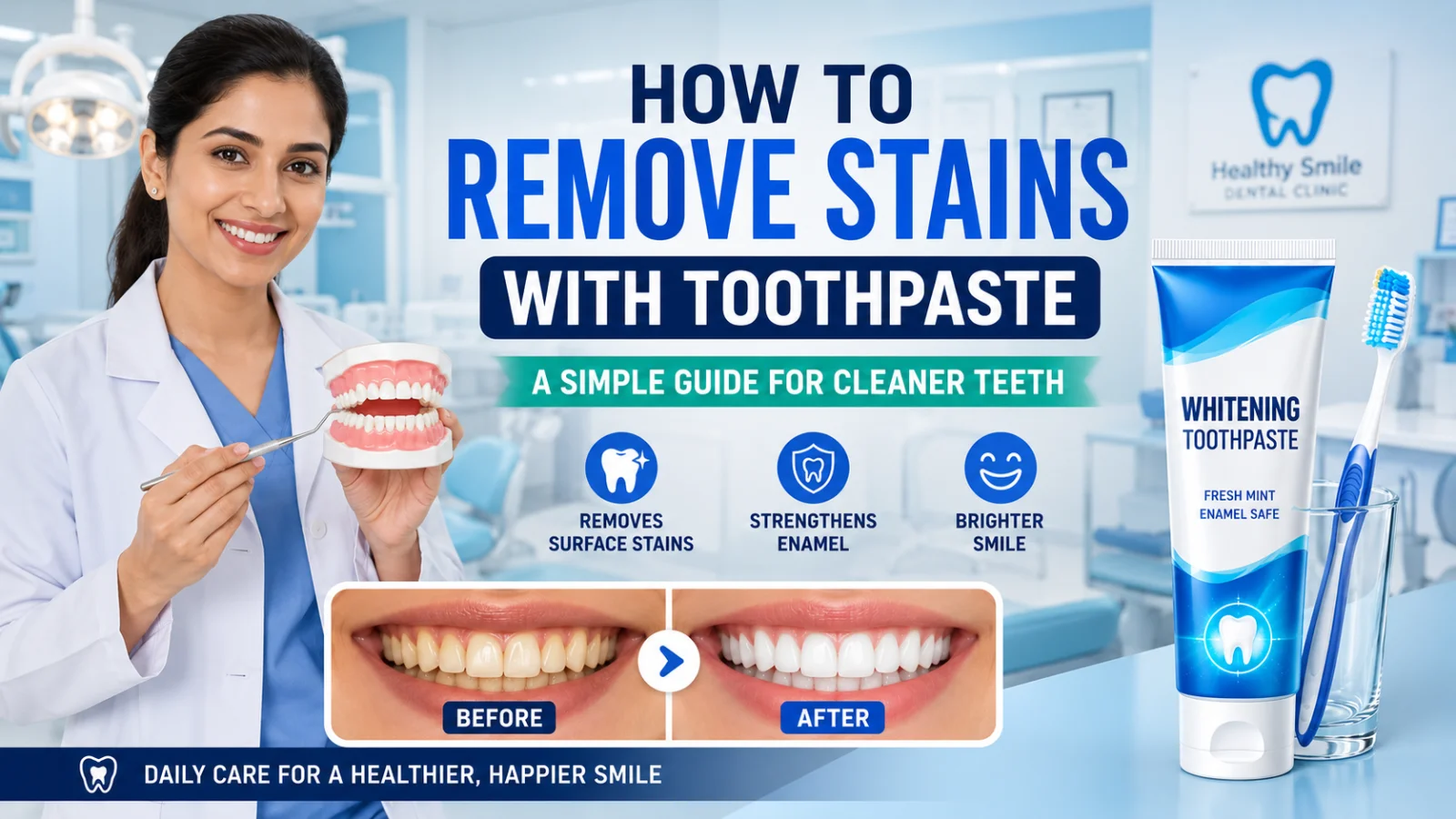

How to remove stains with toothpaste is a common question for people who want a cleaner and brighter smile. Many people notice yellow or dark marks on their teeth and wonder if their daily toothpaste can help. The good news is that the right toothpaste and good brushing habits may help remove some surface stains over time.
Teeth stains can happen for many simple reasons. Drinks like coffee and tea, dark-colored foods, and poor brushing habits can leave marks on teeth. A regular oral hygiene routine can help keep your mouth feeling fresh and clean.
A good Complete Oral Care Guide is not only about choosing products. It is also about building simple habits that support a healthy mouth every day. Toothpaste plays an important role, but brushing correctly and staying consistent matter too.
How to remove stains with toothpaste
Toothpaste can help clean the outer surface of teeth and remove some common stains. Most daily stains sit on the surface of teeth, which means regular brushing can help reduce their appearance.
When you brush with toothpaste, gentle cleaning ingredients help remove food particles and surface buildup. This can make teeth look cleaner and fresher. However, toothpaste works best when you use it regularly and brush with the right technique.
Not every stain is the same. Some stains are easier to remove because they come from food and drinks. Other stains may be deeper and may need different care.
Common surface stains can come from:
- Coffee and tea
- Dark-colored drinks
- Certain foods
- Poor brushing habits
- Buildup from leftover food
Your brushing style also matters. Using toothpaste once in a while will not create the same results as a consistent daily routine.
A simple teeth cleaning routine includes:
- Brushing twice daily
- Using the right amount of toothpaste
- Cleaning all areas of your teeth
- Keeping your mouth fresh
Toothpaste can support cleaner-looking teeth, but it works best as part of a complete oral care habit.
What Causes Teeth Stains?
Teeth stains are common and can happen to many people. Understanding the cause can help you choose better habits.
Some common causes include:
Coffee and tea
Dark drinks often leave marks on teeth. Drinking them frequently without proper cleaning can make stains more noticeable.
Dark-colored foods
Foods with strong colors may leave surface marks. Regular brushing can help remove leftover particles.
Poor brushing habits
Skipping brushing or brushing too quickly can allow buildup to stay on teeth. Over time, this may affect how clean your teeth look.
Tobacco use
Tobacco products can create stubborn stains on teeth. Avoiding them can help protect your smile.
Plaque buildup
When teeth are not cleaned properly, buildup can form. A good brushing routine helps keep teeth cleaner.
Small daily actions make a big difference. A Complete Oral Care Guide focuses on simple steps that are easy to follow.
Complete Oral Care Guide: Understanding How Toothpaste Works
Toothpaste does more than create a fresh feeling. It helps clean your teeth during brushing and supports your daily oral hygiene routine.
Different toothpastes have different purposes. Some focus on removing surface stains, while others focus on everyday cleaning.
Common toothpaste types include:
| Type | Main Purpose | Best For |
| Whitening toothpaste | Helps remove surface stains | Everyday stain care |
| Fluoride toothpaste | Supports daily cleaning | Regular oral routine |
| Sensitive toothpaste | Gentle cleaning | Sensitive users |
Whitening toothpaste often contains ingredients that help polish away surface marks. It does not mean it can remove every type of discoloration.
Fluoride toothpaste is commonly used for everyday brushing. It helps people maintain a regular cleaning habit.
Sensitive toothpaste is made for people who prefer a gentler brushing experience.
Choosing toothpaste is about finding what fits your needs. The best choice is the one you can use comfortably every day.
Can Toothpaste Really Remove Teeth Stains?
Toothpaste can help with many surface stains, but it has limits. It is not a magic solution that changes teeth instantly.
The biggest benefit comes from regular use. When you brush consistently, toothpaste helps remove daily buildup and keeps your teeth looking cleaner.
Toothpaste can help with:
- Surface stains
- Food particles
- Fresh breath
- Daily cleaning
Toothpaste may not remove:
- Deep discoloration
- Old stubborn stains
- All types of tooth color changes
Results usually depend on your habits. Someone who brushes regularly and follows good oral care habits may notice better results over time.
Your brushing technique matters as much as your toothpaste. Gentle brushing is usually better than brushing with too much force.
Complete Oral Care Guide: Best Way to Brush for Cleaner Teeth
Good brushing habits help your toothpaste work better. Many people focus only on the toothpaste they buy, but the way they brush also matters.
Follow these simple brushing tips:
- Brush twice every day.
- Use a small amount of toothpaste.
- Move your brush gently.
- Clean every tooth surface.
- Brush your tongue.
- Replace your toothbrush regularly.
Avoid brushing too aggressively. Hard brushing does not always mean cleaner teeth. A gentle and consistent routine is easier to maintain.
A Complete Oral Care Guide includes more than brushing. It combines small habits that support a fresh and clean mouth.
A simple daily routine:
Morning:
- Brush your teeth
- Clean your tongue
- Drink water
Night:
- Brush before sleeping
- Remove leftover food
- Keep your mouth fresh
These habits can help prevent new stains from forming.
Pros and Cons of Using Toothpaste for Stain Removal
Using toothpaste for stain care has both benefits and limits. Understanding both sides helps you make a better choice.
Pros
- Easy to use every day
- Helps remove surface stains
- Supports a clean mouth feeling
- Affordable and convenient
- Fits into a normal oral care routine
Cons
- May not remove deep stains
- Results take time
- Some formulas may feel too strong
- Brushing too hard may cause discomfort
- It does not replace complete dental care
| Pros | Cons |
| Easy daily use | May not remove deep stains |
| Affordable option | Needs regular use |
| Helps with surface stains | Results are gradual |
| Supports oral habits | Some formulas may feel strong |
Toothpaste is helpful because it is simple. It fits into everyday life and does not require extra effort.
However, patience matters. A consistent routine usually gives better results than changing products often.
Complete Oral Care Guide: Choosing the Right Toothpaste
Choosing toothpaste can feel confusing because there are many options. Beginners should focus on comfort and daily needs.
Things to consider:
- Your brushing habits
- Tooth sensitivity
- Taste preference
- Cleaning needs
- Daily comfort
Some people prefer whitening toothpaste because they want help with surface stains. Others choose regular toothpaste because they want simple daily cleaning.
The best toothpaste is one you enjoy using consistently.
Your oral care routine should feel easy. When a routine is simple, people are more likely to follow it every day.
Other Habits That Help Prevent Teeth Stains
Preventing stains is often easier than dealing with them later. Small lifestyle habits can help keep your teeth looking cleaner.
Helpful habits include:
- Drink enough water
- Rinse after dark-colored drinks
- Brush regularly
- Clean your tongue
- Eat a balanced diet
- Maintain healthy mouth habits
After drinking coffee or tea, drinking water can help remove leftover particles.
A consistent oral hygiene routine also supports fresher breath and a cleaner mouth feeling.
Your daily choices matter. Simple actions repeated every day create better long-term habits.
Frequently Asked Questions
Q1:How to remove stains with toothpaste?
Toothpaste can help remove some surface stains through regular brushing. Results depend on the type of stain and your daily habits.
Q2:Does whitening toothpaste remove all stains?
No. Whitening toothpaste mainly helps with surface stains. Deeper stains may not respond the same way.
Q3:How long does toothpaste take to remove stains?
It depends on your routine and the type of stain. Regular brushing over time can help improve the appearance of surface marks.
Q4:Can I use toothpaste every day for stain removal?
Yes, toothpaste is designed for regular brushing. Choose one that feels comfortable for daily use.
Q5:Is toothpaste enough for complete oral care?
Toothpaste is an important part of oral care, but a full routine also includes brushing habits, cleaning your tongue, and other healthy mouth habits.
Toothpaste can be a helpful part of a daily teeth-cleaning routine. It may help remove surface stains and keep your mouth feeling fresh when used consistently.
The key is not only the toothpaste you choose but also how you use it. Gentle brushing, regular habits, and proper care create better results over time.
A Complete Oral Care Guide is about building simple steps that fit your lifestyle. With the right routine, you can support a cleaner, fresher, and healthier-looking smile.
