
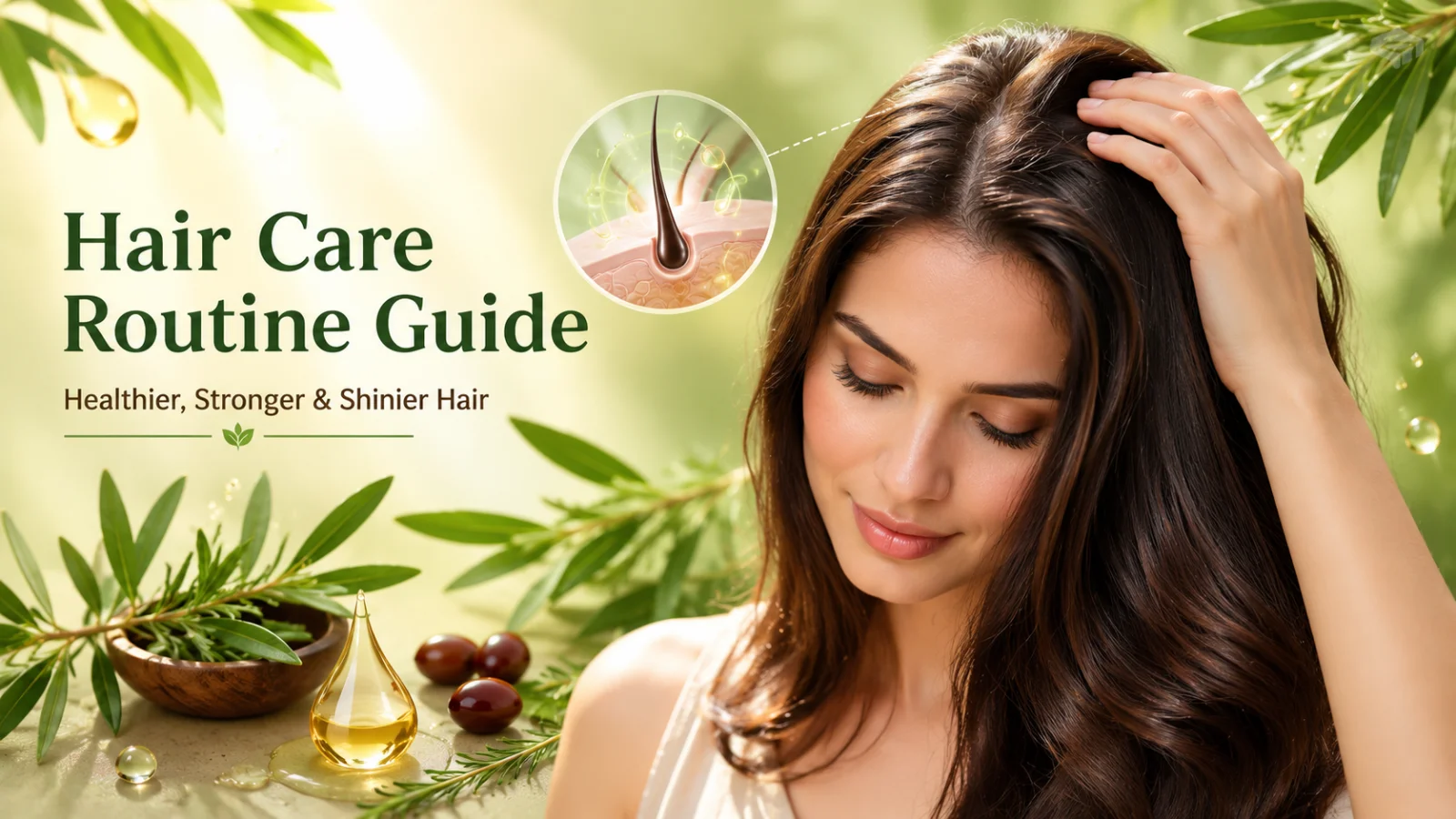

Hair Care Routine Guide: Getting healthy hair takes time. A consistent routine, the right products, and proper scalp care can make a significant difference over months and years. Whether your hair feels weak, dry, oily, or damaged, building the right hair care routine can improve texture, shine, and overall scalp health naturally.
Many people focus only on shampoo and conditioner, but good hair care goes beyond that. Regular maintenance, scalp moisture, and nourishing hair oils all play a role in growing stronger, healthier hair.
In this complete guide, you’ll learn how to moisturize your scalp, care for your hair properly, and use popular oils like tea tree oil and rosemary oil for real, lasting results.
Why a Proper Hair Care Routine Matters
Your hair faces daily stress from heat, pollution, dust, chemicals, and harsh weather. Without proper care, hair may become:
- Dry and brittle
- Frizzy and rough
- Weak with split ends
- Prone to dandruff
- More likely to break
A balanced routine helps:
- Keep the scalp healthy
- Reduce hair breakage
- Improve moisture retention
- Support healthy hair growth
- Make hair softer and shinier
Healthy hair always starts with a healthy scalp.
Hair Care Routine Guide: Building a Simple Daily Hair Care Routine
A lot of people think good hair care means buying dozens of expensive products. The truth is, most people see great results by sticking to a simple, consistent routine over the long term.
Step 1: Choose the Right Shampoo. Pick a mild shampoo that matches your hair type. Avoid overwashing — two to three times per week is enough for most people. Washing more often strips the scalp of its natural oils, which leads to dryness and irritation.
Step 2: Use Conditioner Properly. Conditioner smooths the hair and reduces dryness. Apply it mainly to the mid-lengths and ends of your hair, not the scalp. Leave it on for a few minutes before rinsing thoroughly.
Step 3: Avoid Excessive Heat. Regular use of straighteners, curlers, and blow dryers can weaken hair over time. If you use heat styling tools, always apply a heat protectant first.
Step 4: Protect Hair While Sleeping. Cotton pillowcases create friction that can cause breakage overnight. Switching to a silk or satin pillowcase is much gentler on your hair. You can also loosely braid your hair before bed for extra protection.
Weekly Hair Care Habits That Make a Difference
Daily care is important, but adding a few weekly habits can improve hair health even further.
Deep Conditioning: Deep conditioning once a week helps restore moisture and softness. Look for products containing ingredients like shea butter, coconut oil, argan oil, or aloe vera.
Scalp Massage: Massaging your scalp improves blood circulation and may support healthier hair growth. Use your fingertips gently for five to ten minutes — it’s relaxing and genuinely effective.
Trim Split Ends. Getting regular trims prevents split ends from traveling up the hair shaft and causing further damage.
Hair Care Routine Guide: How to Moisturize the Hair Properly
Many people struggle with dryness simply because they don’t know how to moisturize their hair correctly. Hair moisture is essential for maintaining softness, flexibility, and shine.
Try the LOC Method. The LOC method is especially popular for dry or curly hair. It stands for Liquid, Oil, and Cream — applied in that order.
- Start with water or a leave-in conditioner to prime the hair.
- Layer on a lightweight hair oil to seal the moisture in.
- Finish with a moisturizing cream to lock everything in place.
A few extra tips:
- Avoid washing your hair with hot water, as it worsens dryness. Lukewarm water is much kinder.
- Apply leave-in conditioner mainly to the ends, where hair tends to be driest.
How to Moisturize the Scalp Naturally
A dry scalp can cause itchiness, tightness, and flaking. Learning how to moisturize your scalp the right way can reduce discomfort and improve your scalp’s overall health.
Choose Lightweight Oils: Lightweight oils hydrate the scalp without making it feel greasy. Popular options include jojoba oil, argan oil, coconut oil, and rosemary oil.
Hydrate from the Inside Drinking enough water supports your skin and scalp health from within. Don’t underestimate how much internal hydration affects the way your scalp feels and looks.
Avoid Harsh Hair Products. Products containing strong alcohols or sulfates strip natural oils from the scalp, leaving it dry and irritated. Switching to gentler, sulfate-free formulas makes a noticeable difference.
Hair Care Routine Guide: How to Moisturize the Scalp for Dandruff
Dandruff is often linked to dryness, irritation, or excess oil buildup on the scalp. If you want to know how to moisturize the scalp for dandruff, the goal is to balance hydration without clogging the scalp.
Use Anti-Dandruff Ingredients Carefully. Look for products containing tea tree oil, salicylic acid, or zinc pyrithione — all of which are known to help manage dandruff effectively.
Don’t Scratch the Scalp. Scratching might feel satisfying in the moment, but it increases irritation and inflammation. Try to resist the urge.
Apply Light Scalp Oils. A few drops of a lightweight oil can help reduce the dryness associated with dandruff. Tea tree oil diluted in a carrier oil is a particularly popular and well-regarded option for scalp comfort.
How to Use Rosemary Oil for Hair Growth
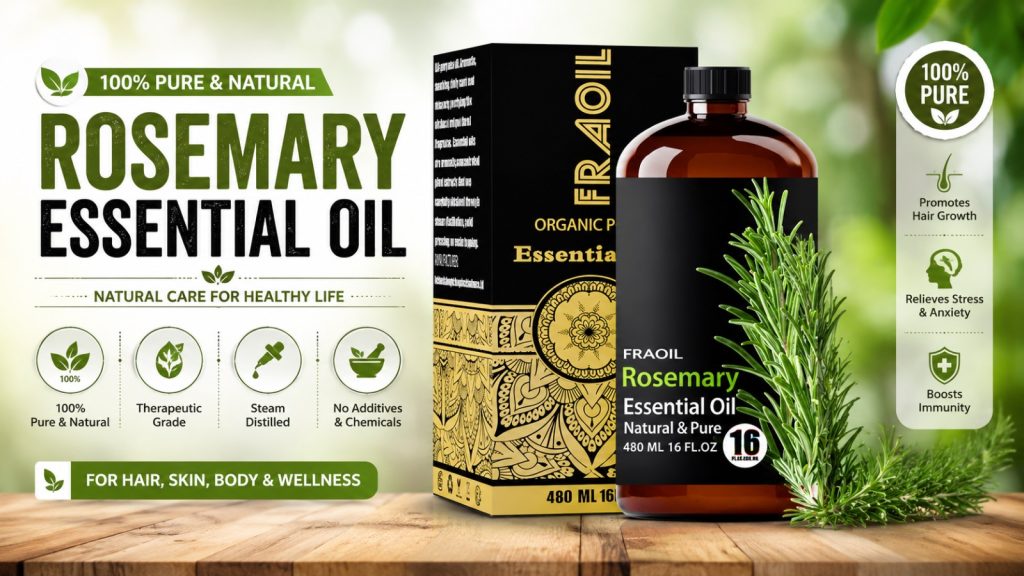
Rosemary oil has become one of the most talked-about natural oils in hair care — and it deserves the attention. Many people use it to support stronger-looking hair and improve scalp circulation.
Benefits of Rosemary Oil: Rosemary oil may help:
- Improve scalp circulation
- Reduce dryness
- Support a healthier hair appearance
- Strengthen weak strands
Best Way to Use Rosemary Oil. If you want to know how to use rosemary oil for hair growth, follow these simple steps:
- Mix a few drops of rosemary oil with a carrier oil like coconut or jojoba oil.
- Massage the mixture gently into the scalp.
- Leave it on for at least 30 minutes before washing out.
- Repeat two to three times per week for best results.
Never apply pure rosemary essential oil directly to your scalp without diluting it first — it’s highly concentrated and can cause irritation.
Hair Care Routine Guide: How to Use Mielle Rosemary Mint Oil for Hair Growth
Mielle Rosemary Mint Scalp & Hair Strengthening Oil is a favorite among hair care enthusiasts for good reason. If you’re wondering how to use Mielle rosemary mint oil for hair growth, consistency is the most important factor.
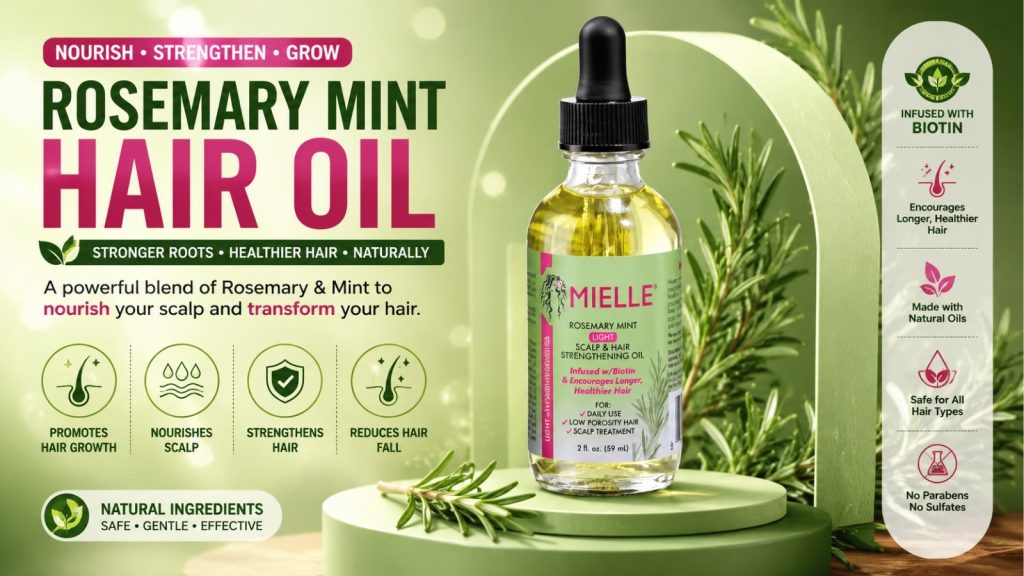
Ways to Use It:
- Scalp Treatment: Apply a small amount directly to the scalp and massage gently for a few minutes.
- Split End Care: Use a tiny amount on dry ends to reduce roughness and frizz.
- Overnight Treatment: Apply lightly before bed and wash your hair the following morning.
Avoid using too much product at once — overuse can cause buildup, especially on oily scalp types.
How to Use Tea Tree Oil for Hair Growth
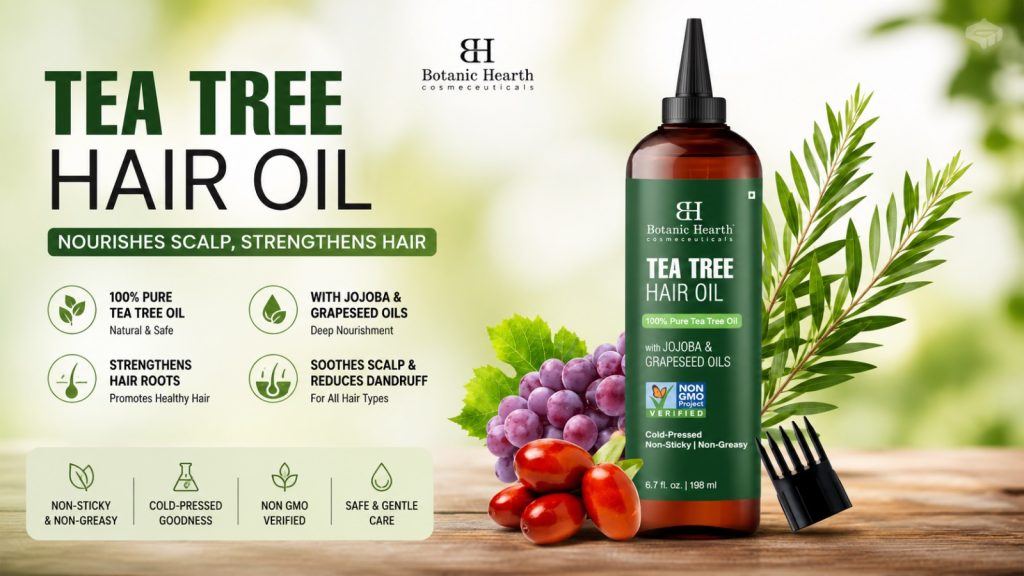
Tea tree oil is well known for its powerful cleansing properties. Many people search for how to use tea tree oil for hair growth because it helps create a cleaner, healthier scalp environment.
Benefits of Tea Tree Oil: Tea tree oil may help:
- Reduce scalp buildup
- Minimize itchiness
- Support cleaner, unclogged hair follicles
- Refresh an oily scalp
Safe Application Method:
- Mix two to three drops of tea tree oil with a carrier oil of your choice.
- Massage gently into the scalp.
- Leave it on for 15 to 20 minutes.
- Wash out thoroughly with shampoo.
Tea tree oil is quite potent — always dilute it properly before applying it to the scalp.
Best Oils for Dry and Damaged Hair
Different oils offer different benefits. Here’s a quick breakdown:
- Coconut oil — helps reduce protein loss and combat dryness.
- Argan oil — adds shine and softness without weighing hair down.
- Jojoba oil — lightweight and well-suited for oily scalp types.
- Rosemary oil — popular for scalp massages and hair growth routines.
- Tea tree oil — helpful for itchy or flaky scalp concerns.
Common Hair Care Mistakes to Avoid
Even the best products won’t work if your habits are working against you.
- Overwashing your hair strips natural scalp oils and leads to dryness.
- Excessive heat styling — daily heat weakens hair strands over time.
- Overusing heavy oils — too much oil causes buildup and can clog the scalp.
- Ignoring scalp health — healthy hair starts at the root, not the ends.
- Tight hairstyles — extremely tight buns or ponytails put stress on the hair roots.
Simple Tips for Healthier Hair
Small habits add up significantly over time.
- Eat a balanced diet — nutrition is directly connected to hair health. Focus on protein, iron, omega-3 fatty acids, and vitamins.
- Protect hair from sun exposure — too much direct sunlight dries out the hair.
- Stay consistent — results appear gradually. Stick with your routine even when progress feels slow.
- Keep your hair tools clean — dirty brushes and combs spread oil and product buildup back onto clean hair.
Signs Your Hair Care Routine Is Working
A good routine leads to gradual but noticeable improvements:
- Softer texture
- Less breakage
- Reduced dryness
- Better scalp comfort
- A shinier, healthier appearance
Be patient. Hair growth and repair take time — but consistent care always pays off eventually.
Common Questions
*How often should I oil my hair? Most people find that oiling one to three times a week works well, depending on their scalp type.
*Can I use rosemary oil every day? Using rosemary oil a few times a week is generally better than daily use, which can lead to buildup.
*Does tea tree oil help with dandruff? When diluted properly, tea tree oil may help reduce scalp buildup and the itchiness associated with dandruff.
*How do I moisturize dry hair? Using gentle oils, a leave-in conditioner, and avoiding excessive heat are the most effective steps for maintaining moisture.
*Is scalp massage good for hair growth? Yes — scalp massage improves blood circulation and may create a healthier environment for hair growth over time.
Improve Your Hair Routine Now
Taking care of your hair doesn’t have to be complicated. A straightforward routine focused on moisture, scalp health, and gentle products can meaningfully improve the look and feel of your hair over time.
Whether you’re learning how to moisturize your scalp, hydrate your hair, or use rosemary oil for hair growth, consistency matters far more than perfection.
The most powerful long-term results come from small, steady daily habits. Start simple, stay consistent, and your hair will thank you for it.
